How to Read the Bible for Beginners

Learning how to read the Bible as a beginner doesn’t require seminary training or perfect understanding—it starts with opening the book, choosing an accessible translation like NIV or NLT, picking a beginner-friendly starting point like the Gospel of John, and giving yourself grace to ask questions and not understand everything immediately.
The Bible isn’t meant to be conquered in one sitting; it’s a lifelong conversation with God that begins with simple, consistent steps and grows deeper over time.
Why Reading the Bible Feels Overwhelming (And Why That’s Okay)
The Bible is intimidating. It’s thick—like, really thick. It’s got two main sections (Old Testament and New Testament), 66 different books, written over 1,500 years by about 40 different authors, in three different languages, across multiple continents.
It contains history, poetry, prophecy, letters, songs, and apocalyptic visions. Some parts read like an action movie; others feel like reading your great-great-grandfather’s census records.
Here’s the thing: you’re not supposed to understand all of it right away. The disciples walked with Jesus for three years and still asked confused questions. Paul had to write multiple letters to early churches because they kept getting things wrong. If people who literally saw Jesus perform miracles struggled to grasp everything, you’re in good company when you feel lost.
The Psalmist himself admitted this struggle:
“Open my eyes that I may see wonderful things in your law” (Psalm 119:18).
Even those who loved God’s word deeply needed help understanding it. That’s not weakness—that’s honesty.
Choosing Your First Bible Translation (Without Losing Your Mind)
Walk into a Christian bookstore and you’ll find dozens of Bible translations. It’s like trying to choose a Netflix show—paralyzing. Let me make this simple for you.
For beginners, you want a translation that’s readable but still accurate. That sweet spot usually means NIV (New International Version), NLT (New Living Translation), or ESV (English Standard Version). The Message is great for devotional reading, but it’s more of a paraphrase than a direct translation—think of it as the Bible in modern English with some interpretation already baked in.
Bible Translation Comparison for Beginners:
| Translation | Reading Level | Best For | Approach |
|---|---|---|---|
| NIV | 8th grade | First-time readers, general study | Balance of accuracy and readability |
| NLT | 6th grade | Easy reading, devotionals | Thought-for-thought translation |
| ESV | 10th grade | Study and depth | More literal, word-for-word |
| The Message | Conversational | Devotional reading, fresh perspective | Paraphrase in modern language |
| NKJV | 11th grade | Those who like traditional language | Updated King James style |
I started with NIV and still use it most days. It doesn’t make me feel stupid, but it also doesn’t oversimplify the text. When I want to dig deeper, I’ll compare it with ESV. When I want to hear something familiar in a fresh way, I’ll read The Message.
Here’s my advice: download the YouVersion Bible app (it’s free) or visit BibleGateway and try reading the same passage in different translations. You’ll quickly figure out which one resonates with you. And guess what? You can switch translations anytime. This isn’t a marriage; it’s a tool.
Where to Actually Start Reading (Hint: Not Genesis)
This is where so many people go wrong. They think, “The Bible is a book, so I’ll start at the beginning.” Then they hit Leviticus (detailed laws about skin diseases and mold) and give up entirely.
The Bible isn’t a novel. It’s more like a library—different books serve different purposes. You wouldn’t walk into a library and try to read every book in order from left to right. You’d pick books based on what you need.
The best place to start? The Gospel of John.
Here’s why:
John was written specifically so people could understand who Jesus is and why He matters. John himself tells us his purpose:
“But these are written that you may believe that Jesus is the Messiah, the Son of God, and that by believing you may have life in his name” (John 20:31).
It’s straightforward, it’s story-based, and it gives you the core of Christian faith in bite-sized chunks. John 3:16 alone gives you the entire gospel message in one sentence:
“For God so loved the world that he gave his one and only Son, that whoever believes in him shall not perish but have eternal life.”
After John, try this reading path:
- Gospel of Mark – The shortest gospel, fast-paced, action-packed. If John is the deep theological dive, Mark is the highlight reel. Mark wastes no time—he opens with “The beginning of the good news about Jesus the Messiah, the Son of God” (Mark 1:1) and then boom, we’re off to the races.
- Psalms – Ancient songs and prayers. Read them when you’re emotional (happy, sad, angry, confused). You’ll find David and other psalmists feeling exactly what you’re feeling. Start with Psalm 23 (“The Lord is my shepherd”), Psalm 51 (a raw confession of sin), or Psalm 139 (“You have searched me, Lord, and you know me”).
- Proverbs – Bite-sized wisdom. Read one chapter a day. There are 31 chapters, so you can read one per day of the month. “The fear of the Lord is the beginning of knowledge, but fools despise wisdom and instruction” (Proverbs 1:7). It’s practical stuff about relationships, money, work, and decision-making.
- Acts – What happened after Jesus ascended. Early church history, miracles, and chaos. It’s like reading the sequel to the Gospels. The book opens with Jesus promising, “But you will receive power when the Holy Spirit comes on you; and you will be my witnesses” (Acts 1:8). Then you get to watch it happen in real time.
- Romans – Paul’s letter explaining Christian theology. It’s dense but foundational. Take your time with this one. Romans 8:1 alone is worth the price of admission: “Therefore, there is now no condemnation for those who are in Christ Jesus.”
You’ll notice I didn’t mention Genesis right away. That’s intentional. Once you understand who Jesus is and why the New Testament matters, the Old Testament makes way more sense. Genesis is incredible—creation, Noah, Abraham, Joseph—but it hits different when you already know the ending of the story.
Start with Bible Stories to Build Understanding
Here’s something I wish I’d known earlier: reading Bible stories is one of the best ways to understand Scripture as a beginner.
Before you dive into complex theology or dense epistles, let the stories draw you in. Stories are how humans have always learned—they’re memorable, engaging, and they show you who God is through real people’s experiences.
Easy Bible Stories Perfect for Beginners:
From the New Testament:
- The Prodigal Son (Luke 15:11-32) – A rebellious son wastes his inheritance, ends up feeding pigs, returns home expecting rejection, but his father runs to embrace him. This story captures God’s heart toward us in one powerful narrative.
- The Woman at the Well (John 4:1-42) – Jesus has a conversation with a Samaritan woman who’s been married five times. He shouldn’t be talking to her (she’s a woman, a Samaritan, and has a questionable past), but he offers her “living water” and changes her life. Tender and revolutionary.
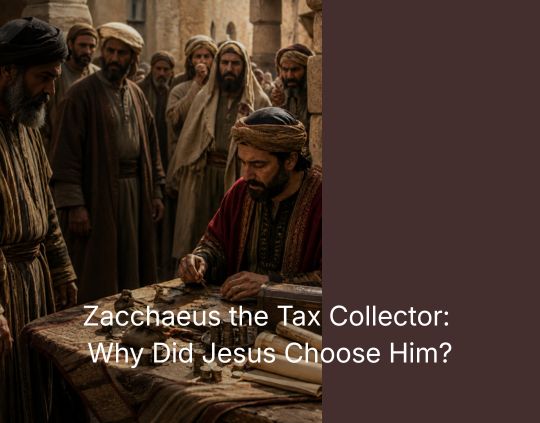
- Zacchaeus the Tax Collector (Luke 19:1-10) – A corrupt, wealthy tax collector climbs a tree to see Jesus (he’s too short), and Jesus invites himself to dinner. It shows how Jesus welcomed people everyone else rejected.
From the Old Testament:
- David and Goliath (1 Samuel 17) – Teenage shepherd defeats giant warrior with a sling and stone. Perfect underdog story about faith in action.
- Joseph’s Story (Genesis 37, 39-41, 45, 50) – Brothers sell Joseph into slavery, he ends up in Egypt, goes to prison, becomes second-in-command, saves his family. Betrayal, redemption, forgiveness: “You intended to harm me, but God intended it for good” (Genesis 50:20).
- Daniel in the Lions’ Den (Daniel 6) – Daniel refuses to stop praying even when it’s illegal, gets thrown to lions, God shuts their mouths. Story about courage and faithfulness.
Why Stories Matter for Understanding the Bible:
Stories give context for everything else. When you read about God being a shepherd (Psalm 23), you’ll remember David actually was a shepherd. When you read about faith without works (James 2:17), you’ll remember David didn’t just believe—he picked up stones and walked toward Goliath.
Stories also show biblical heroes weren’t perfect. David committed adultery and murder. Peter denied Jesus three times. They were messy humans who encountered a patient God.
Creating a Bible Reading Plan That Actually Works
Let’s talk about consistency without legalism. A Bible reading plan isn’t about earning gold stars from God—it’s about building a sustainable habit that actually fits your life.
I’ve tried those “read the Bible in a year” plans. Multiple times. I’ve failed… multiple times. Not because I’m spiritually weak, but because life happens. I get sick. Work gets crazy. I binge-watch a show instead of reading my Bible. And then I feel guilty, which makes me avoid the Bible even more.
Here’s what actually works:
1. Start Small and Build Up
Don’t commit to reading five chapters a day if you’ve never read the Bible consistently. Start with one chapter. Or even just ten verses. The goal is consistency, not volume. Reading one chapter every day for a month beats reading ten chapters once and then quitting.
Remember what Jesus said about small beginnings:
“The kingdom of heaven is like a mustard seed, which a man took and planted in his field. Though it is the smallest of all seeds, yet when it grows, it is the largest of garden plants” (Matthew 13:31-32).
Your small daily reading habit can grow into something transformative.
2. Pick a Time That’s Actually Realistic
Everyone says “morning quiet time,” but if you’re not a morning person, that’s setting yourself up for failure. I read my Bible at night before bed because that’s when my brain is actually awake. Some people read on their lunch break. Some people listen to audio Bibles during their commute. Find what works for your life.
The Psalmist read God’s word at all hours:
“Oh, how I love your law! I meditate on it all day long” (Psalm 119:97).
Notice it doesn’t say “only at 5 AM”—it says all day long, whenever works.
3. Use a Bible Reading App
YouVersion has hundreds of free reading plans—some are 3 days, some are 365 days, some focus on specific topics. The app sends you reminders and tracks your progress. It’s like having a personal trainer for your Bible reading.
4. Don’t Panic When You Miss Days
You will miss days. That’s not failure; that’s being human. Jesus doesn’t love you less because you missed your Bible reading. Just pick up where you left off. Don’t try to “catch up” by reading seven chapters at once—that’s how resentment builds.
Lamentations 3:22-23 reminds us: “Because of the Lord’s great love we are not consumed, for his compassions never fail. They are new every morning; great is your faithfulness.”
New morning, fresh start. No condemnation.
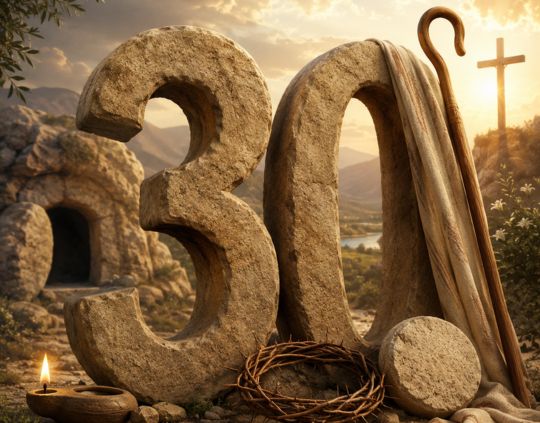
Sample 30-Day Beginner Reading Plan:
- Days 1-7: Gospel of John, chapters 1-7 (Jesus’s early ministry stories)
- Days 8-10: David and Goliath (1 Samuel 17), Jonah (entire book), Ruth (entire book)
- Days 11-17: Gospel of John, chapters 8-14 (Jesus teaches and performs miracles)
- Days 18-21: Joseph’s story (Genesis 37, 39-41, 45, 50 – selected chapters)
- Days 22-28: Gospel of John, chapters 15-21 (Jesus’s death and resurrection)
- Days 29-30: Favorite story review or Psalms 23, 139
Tools and Resources That Actually Help
You don’t need a theology degree to read the Bible, but having a few tools makes the journey less confusing.
Study Bibles: These include notes at the bottom of each page explaining context, culture, and confusing passages. The NIV Study Bible and ESV Study Bible are both excellent. If you’re on a budget, the free notes on Bible Gateway or Blue Letter Bible work just fine.
Bible Apps: YouVersion is the gold standard—free, packed with translations, reading plans, and even videos explaining books of the Bible. I use it more than my physical Bible at this point (and I don’t feel guilty about it).
Journaling: Keep a notebook handy. When something confuses you, write it down. When something hits differently, capture it. When you have questions, note them. You don’t need fancy journal prompts—just write whatever comes to mind.
Habakkuk actually did this:
“Then the Lord replied: ‘Write down the revelation and make it plain on tablets so that a herald may run with it'” (Habakkuk 2:2).
Writing helps you process and remember what God’s showing you.
Bible Project Videos: These animated videos on YouTube break down every book of the Bible in 5-10 minutes. Watch the overview video before reading a book—it gives you context that makes everything click.
Community: Find a friend, join a small group, or hop into an online Bible study. Reading alone is fine, but discussing what you’re reading with others brings insights you’d never catch on your own. Plus, it keeps you accountable (in a good way, not a shame-filled way).
Ecclesiastes 4:9-10 captures this perfectly: “Two are better than one, because they have a good return for their labor: If either of them falls down, one can help the other up.”
What to Do When You Don’t Understand What You’re Reading
This will happen. Often. And it’s completely okay.
Sometimes you’ll read a passage five times and still think, “What on earth does this mean?” Sometimes cultural context is missing. Sometimes the poetry is confusing. Sometimes Paul writes run-on sentences that lose you halfway through.
Here’s your game plan:
First, don’t panic. Confusion doesn’t mean you’re bad at this. The Bible is ancient literature written in different cultures, different languages, and different contexts. Some things require explanation.
Even the apostle Peter admitted Paul’s letters were tough:
“His letters contain some things that are hard to understand, which ignorant and unstable people distort, as they do the other Scriptures” (2 Peter 3:16).
If Peter—who walked with Jesus—found Paul confusing, you’re in excellent company.
Second, look for the big picture. Even if you don’t understand every detail, what’s the main point? In Romans, even if you don’t grasp every theological argument, the big idea is clear: we’re saved by grace through faith, not by our own efforts.
Third, use your tools. Check study Bible notes, read the passage in multiple translations, watch a Bible Project video, or Google “What does [passage] mean?” You’ll find countless articles and sermons explaining it.
Fourth, ask someone. Text a Christian friend, ask your pastor, post in an online group. People love answering Bible questions—it makes them feel helpful.
Acts 8 shows us a beautiful example of this. Philip found an Ethiopian official reading Isaiah and asked if he understood. The man replied, “How can I, unless someone explains it to me?” (Acts 8:31). So Philip explained it. There’s no shame in needing help.
Finally, be okay with mystery. Some things about God we won’t fully understand this side of heaven. That’s not a cop-out; it’s humility. If we could fully comprehend God, He wouldn’t be God.
As Paul wrote: “For now we see only a reflection as in a mirror; then we shall see face to face. Now I know in part; then I shall know fully, even as I am fully known” (1 Corinthians 13:12).
Give Yourself Permission to Be a Beginner
Here’s what I wish someone had told me when I first tried to read the Bible: you’re allowed to suck at this for a while.
You’ll read passages that confuse you. You’ll forget what you read yesterday. You’ll start reading plans and quit them. You’ll fall asleep mid-chapter. You’ll go weeks without opening your Bible and feel guilty about it.
All of that is okay. Normal, even.
The goal isn’t perfection—it’s relationship. God isn’t waiting for you to become a Bible scholar before He’ll speak to you. He meets you in the mess of trying, in the confusion of not understanding, in the honesty of admitting you’d rather scroll Instagram than read Leviticus.
David wrote in Psalm 34:18, “The Lord is close to the brokenhearted and saves those who are crushed in spirit.”
That includes being close to those of us who are overwhelmed by trying to read His word. He’s not standing far off with His arms crossed, disappointed. He’s right there with you, patient and kind.
Jesus himself said, “Come to me, all you who are weary and burdened, and I will give you rest” (Matthew 11:28).
That invitation includes the weariness of not knowing where to start, the burden of feeling like you’ll never understand it all.
Start with John. Read slowly. Ask questions. Use tools. Find community. Give yourself grace. And remember: the Bible is meant to be read over a lifetime, not mastered in a month. You’ve got time.
The fact that you’re even reading this article means you’re already further along than you think. So go ahead—open your Bible (physical or digital), start with John chapter 1, and see what happens. You might be surprised.