Red Symbolism in the Bible: Sin, Blood, Redemption

Here’s something that blew my mind when I first noticed it: the color red appears throughout the entire Bible as both the color of our deepest shame and our greatest salvation. From the first murder in Genesis to the final battle in Revelation, red threads its way through Scripture representing blood, sacrifice, sin, and redemption—often all at the same time.
The biblical meaning of red isn’t simple (because honestly, what in theology ever is?), but understanding this crimson symbolism unlocks some of the most profound truths about God’s character and His plan for humanity.
The Original Words: What the Bible Actually Says About Red
The ancient biblical languages had specific words for red that tell us loads about how people understood this color. In Hebrew, the word אָדֹם (adom) literally means “red” and shares the same root as “Adam” and “adamah” (ground/earth). You know what that means? The first human’s name is basically “Red” or “Earthy”—named after the reddish clay God formed him from.
Then there’s דָּם (dam), the Hebrew word for blood. Notice the similarity? The biblical authors weren’t subtle about connecting red, earth, humanity, and blood. In Greek, we get πορφύρα (porphyra), which describes that deep purple-red color of expensive dye. This shows up when soldiers mock Jesus by draping him in a purple-red robe before his crucifixion.
Old Testament Red: When Blood Meant Everything
I’ll be honest—the Old Testament sacrificial system used to creep me out. All that blood everywhere? It felt primitive, even barbaric. But here’s what I’ve come to understand: God was teaching His people something they couldn’t learn any other way.
The Passover: Red on the Doorposts
Picture this: You’re an Israelite slave in Egypt, and God’s about to deliver the final, devastating plague. Moses tells everyone to slaughter a lamb and paint their doorframes with its blood. Not inside where it’s polite—outside, where everyone can see it (Exodus 12:7). That crimson declaration said, “Death has already visited this house. Pass over.”
The Passover blood wasn’t magical paint. It was a down payment, a visual sermon pointing forward to another Lamb whose blood would mark God’s people forever. Every time an Israelite saw red on a doorpost, they remembered: we’re alive because something died in our place.
The Red Sea: When Water Became a Wall and a Weapon
Here’s something I never connected until recently: the very sea that saved Israel was called red. The Hebrew name Yam Suph literally means “Sea of Reeds,” but it’s always been known as the Red Sea (some scholars think it got this name from the reddish algae or coral, others from the surrounding red rock formations). But the symbolism? That’s undeniable.
God didn’t just part any sea—He split the Red Sea. The Israelites walked through on dry ground while walls of water stood on either side (Exodus 14:21-22). Behind them, Pharaoh’s army thundered forward. Then God released those walls, and the same waters that delivered Israel became the waters that destroyed Egypt. The pursuing army drowned in the Red Sea’s depths.

Think about this: water that saves and water that judges, all in the same moment. Sound familiar? It’s the same paradox we see with red throughout Scripture. Paul even connects this to baptism in 1 Corinthians 10:1-2, saying Israel was “baptized into Moses in the cloud and in the sea.” They passed through water (and death) to find new life on the other side. That’s what red does—it marks the place where death and life meet.
The Tabernacle: Red Everywhere You Look
When God designed His tent-dwelling among His people, He was ridiculously specific about colors. Scarlet yarn and crimson fabric appeared throughout the tabernacle—in the curtains, the priestly garments, even the veil separating the Holy of Holies. These weren’t decorating choices from some ancient Pinterest board.
The red symbolism in worship spaces constantly reminded Israel that approaching a holy God required blood, sacrifice, and substitution.
The Scarlet Thread in Unlikely Places
Here’s where it gets interesting. Remember Rahab? She was a Canaanite prostitute (not exactly who you’d expect in the heroes-of-faith lineup) who helped Israelite spies escape Jericho. They told her to hang a scarlet cord from her window so she’d be spared when the city fell (Joshua 2:18). Sound familiar? Red marking a dwelling. Death passing over. Salvation through faith. The pattern repeats.
Key Takeaways:
- Passover blood foreshadowed Christ’s substitutionary sacrifice
- The Red Sea salvation demonstrates red’s dual nature—deliverance for God’s people, judgment for His enemies
- Red Sea baptism imagery connects Old Testament deliverance to New Testament salvation
- Tabernacle red reminded Israel that holiness requires blood atonement
- Rahab’s scarlet cord connected Gentiles to God’s salvation plan
- Red heifer ashes (Numbers 19) provided ritual purification from death’s contamination
New Testament Red: When the Symbol Became Reality
Everything changes—and I mean everything—when we get to Jesus. All those Old Testament red symbols? They were shadows. Christ’s blood is the substance.
The Blood of Christ: Red Redemption
I grew up hearing about “the blood of Jesus” so often it almost lost meaning. (Happens with church phrases, doesn’t it?) But when you understand the entire scarlet thread running through Scripture, Christ’s blood becomes the most beautiful, terrible, necessary thing in existence. Hebrews 9:22 doesn’t mess around: “Without the shedding of blood there is no forgiveness.”
When Jesus hung on that cross, His blood wasn’t just leaking out—it was speaking. The writer of Hebrews says it “speaks a better word than the blood of Abel” (Hebrews 12:24). Abel’s blood cried out for vengeance; Jesus’ blood cries out for mercy. Same color. Opposite message.
Communion: Red We Can Taste
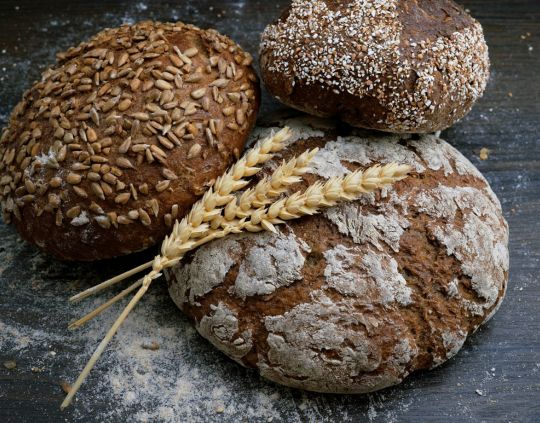
Here’s something I didn’t appreciate until I was older: Jesus could’ve chosen any symbol to remember Him by. He picked bread (which makes sense—body broken), but then He chose wine.
Red wine. “This cup is the new covenant in my blood,” He said (Luke 22:20). Every time we take communion, we’re literally tasting that crimson reminder: His life poured out, His blood shed, our sins covered.
Revelation’s Terrifying Red
Okay, buckle up because Revelation gets intense. John sees a great red dragon with seven heads (that’s Satan, by the way—Revelation 12:3), and later a scarlet beast carrying a woman dressed in purple and scarlet, drunk on “the blood of the saints” (Revelation 17:3-6). This isn’t the redemptive red we’ve been talking about. This is red as warfare, persecution, and judgment.
But—and this is crucial—Christ appears too, and His robe is “dipped in blood” (Revelation 19:13). Whose blood? Some say it’s His enemies’. Others say it’s His own sacrificial blood. Maybe it’s both. The victorious Christ bears the marks of His suffering even in His triumph.
Key Takeaways:
- Christ’s blood fulfilled every Old Testament red symbol
- Communion wine lets us participate in the new covenant visually and tangibly
- Revelation uses red for both evil (dragon, beast) and redemption (Christ’s robe)
The Dual Nature of Biblical Red: Sin and Salvation in the Same Color
This is what makes red so theologically rich—it’s complicated. In Isaiah 1:18, God says, “Though your sins are like scarlet, they shall be as white as snow; though they are red like crimson, they shall become like wool.” Wait—so red is bad here? It’s the stain we need cleansed from?
Yes. And also no.
Red as Sin and Judgment
Sometimes Scripture uses red to represent the guilt and shame of human rebellion. Blood on our hands. The earth soaked red with violence (Genesis 4:10). Edom, whose very name means “red,” became a symbol of God’s enemies facing judgment. The prophet Nahum describes warriors with red shields advancing in battle (Nahum 2:3)—red here means bloodshed and war.
The Red Sea itself demonstrates this dual reality. For Israel, those red waters meant deliverance and freedom. For Egypt, those same waters meant destruction and death. One color. Two outcomes. It all depends on which side of the blood you’re standing.
Red as Redemption and Covering
But here’s the beautiful paradox: the same red that represents our sin becomes the red that cleanses it. Blood spilled in sacrifice. The crimson flow from Jesus’ pierced side. 1 John 1:7 promises that “the blood of Jesus his Son cleanses us from all sin.” How does blood cleanse? Shouldn’t it stain?
In God’s economy, it does both. Red marks us as guilty, then marks us as pardoned. It’s the color of death that brings life. The stain that removes stains.
Comparison Table: The Dual Nature of Red Symbolism
| Red Symbolism | Negative Meaning | Positive Meaning | Key Scripture |
|---|---|---|---|
| Blood | Death, violence, guilt | Life, atonement, covenant | Leviticus 17:11 |
| Scarlet / Crimson | Stain of sin, shame | Royal covering, salvation marker | Isaiah 1:18 |
| Red Dragon / Beast | Satan, persecution, evil | N/A (purely negative) | Revelation 12:3 |
| Red Heifer | Contamination from death | Purification, cleansing ritual | Numbers 19:2–10 |
| Passover Blood | Death’s presence | Protection, deliverance | Exodus 12:13 |
| Red Sea | Judgment, drowning, death | Salvation, baptism, new life | Exodus 14; 1 Corinthians 10:1–2 |
Key Takeaways:
- Biblical red carries intentional tension between judgment and grace
- The color simultaneously reveals our problem (sin) and God’s solution (sacrifice)
- Understanding this duality helps us grasp substitutionary atonement
- The same red that judges enemies saves God’s people
What This Means for Us Today: Living in Light of the Crimson Thread
So what do we do with all this red symbolism? It’s not like we’re painting doorposts or offering animal sacrifices anymore (thank God, honestly—I can barely handle cooking meat for dinner). But the meaning behind the color hasn’t changed.
We Remember the Cost
Every time I take communion, I try to pause and really look at that little cup of grape juice (wine if you’re fancy). That red liquid represents something that cost Jesus everything. Our salvation wasn’t cheap—it was purchased with blood.
1 Peter 1:18-19 reminds us we weren’t redeemed “with perishable things such as silver or gold…but with the precious blood of Christ.”
We Don’t Minimize Sin
In a culture that’s super uncomfortable with concepts like sin and guilt, biblical red symbolism refuses to let us off the hook. Yes, it’s about grace—but grace that required a brutal sacrifice.
The crimson thread through Scripture whispers constantly: sin is serious. It destroys. It kills. It required divine blood to fix.
We Rest in Complete Atonement
But here’s the hope (because I promise this isn’t just a guilt trip): Christ’s blood was enough. The scarlet stain of our sin has been covered by the scarlet sacrifice of our Savior. We’re marked by His blood now—not for judgment, but for mercy.
Romans 5:9 declares, “Since we have now been justified by his blood, how much more shall we saved from God’s wrath through him!”
Just like the Israelites who walked through the Red Sea on dry ground—passing through what should have killed them to find freedom on the other side—we’ve passed through death to life because of Christ’s blood.
We’ve been baptized into His death and raised to new life. That red sea we should have drowned in? Jesus walked through it for us.
We Share the Story
Remember Rahab’s scarlet cord? She didn’t just tie it to her window and forget about it. It became her testimony, her identifier. We carry our own scarlet marker—not a literal cord, but the invisible stain of Christ’s blood that marks us as His. And just like that red cord saved Rahab’s whole household, our testimony of redemption can draw others into God’s rescue plan.
Key Takeaways:
- Communion keeps the cost of redemption tangibly before us
- Red symbolism prevents us from trivializing sin’s seriousness
- Christ’s blood provides complete, permanent atonement
- We’ve passed through our “Red Sea” moment—from death to life
- We’re marked by His sacrifice and called to share that scarlet thread of salvation

Frequently Asked Questions About Red in the Bible
Does red always mean sin in Scripture?
No—biblical red carries dual symbolism. While Isaiah 1:18 describes sins as “scarlet” and “crimson” (needing cleansing), red also represents redemption, sacrifice, and covenant. The same color that marks our guilt becomes the color of our cleansing through Christ’s blood. This tension is intentional and theologically significant.
What is the red heifer and why does it matter?
The red heifer (Numbers 19) was a rare, unblemished cow sacrificed for purification rituals. Its ashes, mixed with water, cleansed people from corpse contamination. This ritual pointed forward to Christ, who cleanses us from spiritual death. Some Jewish traditions believe a red heifer is necessary for rebuilding the Temple, giving it ongoing prophetic significance.
How should Christians understand color symbolism in worship?
While we’re no longer bound by Old Testament ceremonial laws, understanding biblical color symbolism enriches our worship and theological comprehension. Colors like red, purple, and white in church liturgical seasons help believers visually connect with the Christian story—red for Pentecost and martyrdom, for example. These aren’t magical, but they’re meaningful teaching tools.
The Scarlet Thread That Changes Everything
From Genesis to Revelation, red winds its way through God’s story like a crimson thread we can’t ignore. It’s messy (literally). It’s uncomfortable. It forces us to confront both the horror of our sin and the extravagance of God’s love. The biblical meaning of red asks us to hold two truths simultaneously: we’re worse off than we thought, and we’re more loved than we dared hope.
That red thread started in a garden with the first sacrifice—God clothing Adam and Eve in animal skins (something had to die for that covering). It flowed through a Red Sea that both saved and judged. It continued through tabernacles and temples, through prophets and kings, through failures and promises. And it culminated on a Roman cross where God’s own Son bled out the final, perfect, once-for-all sacrifice.
The next time you see red—whether it’s communion wine, a sunset, or just the stop light you’re waiting at—let it remind you. You’re marked by that blood now. You’ve walked through your Red Sea. You’re covered by crimson. Saved by scarlet. And that changes absolutely everything.
Disclaimer: The analysis of symbolism and numerology in this post is offered strictly for theological reflection and spiritual enrichment. We do not offer fortune-telling, guaranteed future outcomes, or specific financial or health advice. For any professional matter, please consult a qualified and licensed medical doctor, financial advisor, or legal counsel.