Armor of God Explained: Meaning, Purpose, and How to Put It On Every Day

If you’ve ever woken up already tired before the day even started, already bracing for a fight you can’t quite name, you’re not alone. Most of us carry an unspoken sense that life is a battle. Bills, relationships, health, the constant noise in our heads telling us we’re not enough. The Bible doesn’t pretend this away. In fact, it gives us a picture for it.
In Ephesians 6:10-18, the apostle Paul, writing from a Roman prison cell, paints a picture every reader in his day would have instantly recognized: a soldier getting dressed for battle. Paul wasn’t writing about swords and shields for fun. He was telling believers something urgent — you are in a real fight, but you are not unequipped for it. Every piece of armor he describes points to something God has already given you. This article walks through that armor piece by piece, what it means, and how you actually put it on, every single day.
What Is the Armor of God?
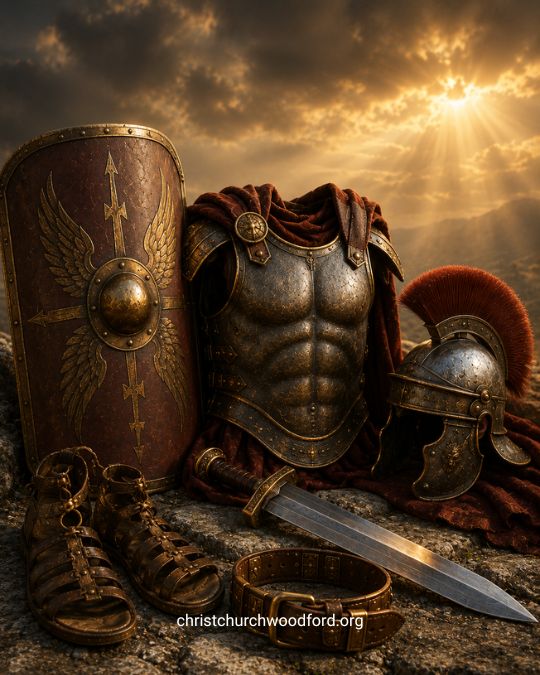
The Armor of God is a collection of spiritual gifts and protections that God provides to believers so they can stand firm against temptation, deception, fear, and spiritual attacks.
Paul describes this armor in Ephesians 6:10–18, using the image of a Roman soldier’s equipment to explain how Christians are strengthened for spiritual battles.
The Armor of God consists of:
- The Belt of Truth
- The Breastplate of Righteousness
- The Shoes of the Gospel of Peace
- The Shield of Faith
- The Helmet of Salvation
- The Sword of the Spirit
- Prayer, which supports and strengthens every piece of armor
These are not physical items. They represent spiritual realities that God gives to every Christian through Jesus Christ. Truth guards us against deception. Righteousness protects our hearts. Faith defends us against doubt and fear. Salvation secures our minds. God’s Word equips us to confront lies with truth. Together, they help believers remain faithful in the midst of life’s spiritual battles.
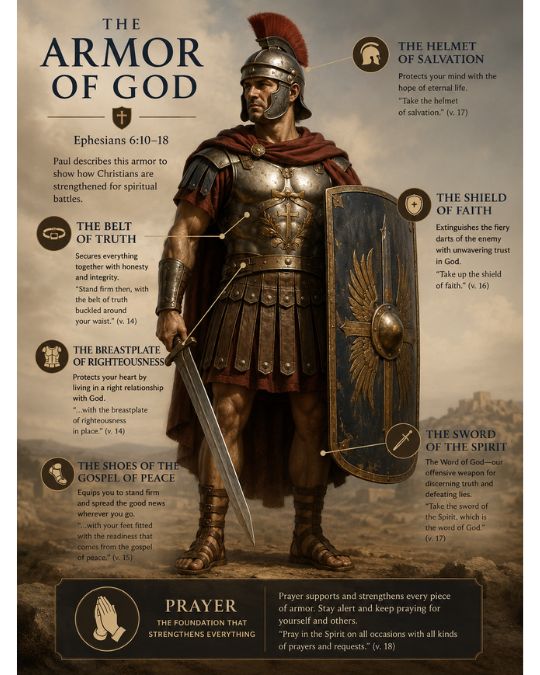
Paul introduced this imagery while writing from prison, where Roman soldiers were a familiar sight. By comparing the Christian life to a soldier preparing for battle, he reminded believers that they are engaged in a spiritual struggle—but God has already provided everything they need to stand firm.
Why Do Christians Need the Armor of God?
Here’s where a lot of people get tripped up. We tend to think our biggest problems are other people — a difficult coworker, a family member who hurt us, someone who’s working against us.
Paul says something different in Ephesians 6:12:
“For we do not wrestle against flesh and blood, but against the rulers, against the authorities, against the cosmic powers over this present darkness, against the spiritual forces of evil in the heavenly places.” – Ephesians 6:12
That verse reorients everything.
The real battle isn’t ultimately with the person who frustrated you this morning. It’s spiritual. And that’s actually good news, because it means the solution isn’t winning an argument or getting even — it’s standing firm in a battle Christ has already secured the outcome of.
This is spiritual warfare in the Bible at its most practical. Most Christians won’t face dramatic demonic confrontations. What they will face is temptation that seems to come out of nowhere, fear that grips them at the midnight, doubt that creeps in when prayers go unanswered, discouragement that makes them want to quit, and false teaching that sounds almost right. These are the everyday battlegrounds. And the call, over and over in this passage, is to stand firm — not to run, not to collapse, but to stand, because you’re not standing alone.
The Belt of Truth
A Roman soldier’s belt wasn’t just decoration. It held the rest of his armor together and secured his weapon for battle. Without it, everything became loose, unstable, and ineffective. Paul begins with the belt because truth is the foundation of the entire Christian life.
“Stand therefore, having fastened on the belt of truth…” – Ephesians 6:14
The belt of truth represents God’s truth — the truth about who He is, what He has done, and who you are in Christ. Just as a soldier’s belt held everything together, God’s truth keeps believers grounded and spiritually secure.
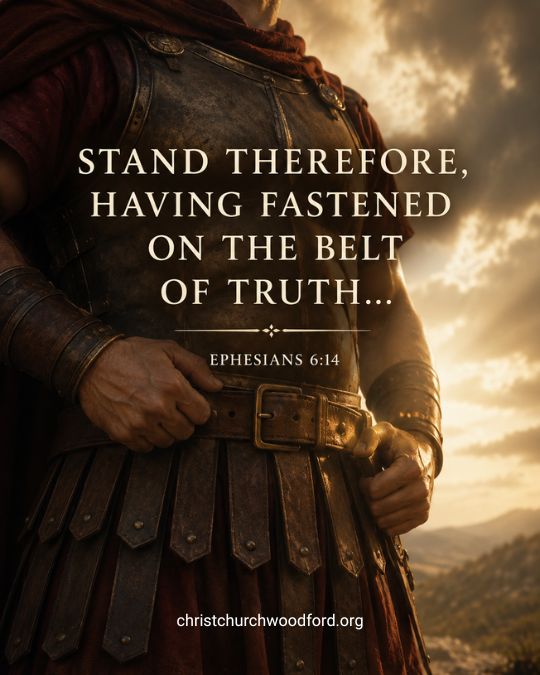
We live in a world full of competing voices. Culture, social media, fear, and personal insecurities constantly try to define our identity and shape our thinking. The belt of truth reminds us that God’s Word, not our feelings or circumstances, is the ultimate standard of truth.
Practically, putting on the belt of truth means rejecting lies and choosing to believe what God says. When thoughts like “I’m not good enough,” “God has abandoned me,” or “I’ll never change” begin to creep in, truth gives you something solid to stand on. It also affects how you live. Honesty, integrity, and sincerity are all expressions of walking in truth. The belt of truth doesn’t simply protect you from deception around you—it calls you to live truthfully before God and others as well.
The Breastplate of Righteousness
The breastplate protected a soldier’s chest and vital organs. A direct strike to the heart could be fatal, which is why Paul compares righteousness to a breastplate. It guards one of the most vulnerable parts of a believer’s life — the heart.
“…and having put on the breastplate of righteousness…” – Ephesians 6:14
The breastplate of righteousness represents the righteousness that comes through Jesus Christ. When we place our faith in Him, we are declared righteous before God—not because of our own goodness, but because of what Christ has done for us. That is the foundation.
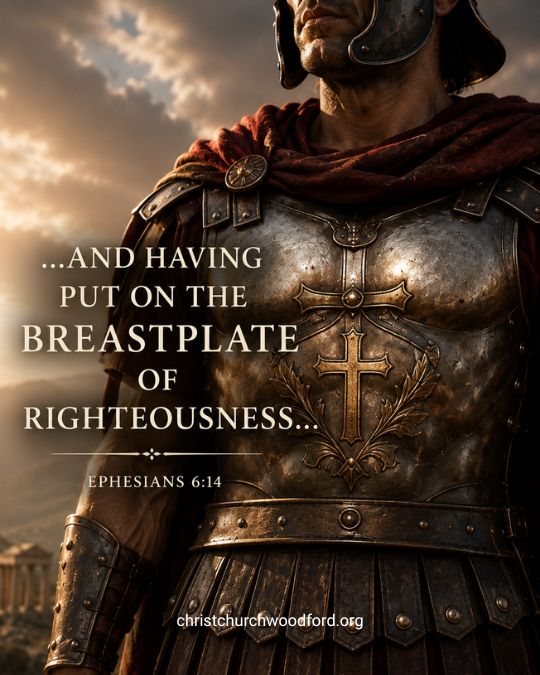
At the same time, this righteousness shapes the way we live. Because we belong to Christ, we seek to walk in obedience, integrity, and holiness. These righteous choices do not earn God’s acceptance; they flow from the acceptance we have already received.
This matters because one of the enemy’s most common attacks targets the heart through guilt, shame, and condemnation. Even after God has forgiven us, we can be tempted to believe that our failures define us.
The breastplate of righteousness reminds us that our standing before God rests on Christ, not on our performance. When accusations come, believers can stand confidently in the righteousness Christ has secured for them, allowing that truth to guard their hearts from discouragement and despair.
The Shoes of the Gospel of Peace
Roman soldiers wore sturdy sandals with thick soles and metal studs underneath for grip. These weren’t designed for comfort but for stability. A soldier who could keep his footing in battle was far less likely to be knocked down when the fight became intense.
“…and, having shod your feet with the readiness given by the gospel of peace…” – Ephesians 6:15
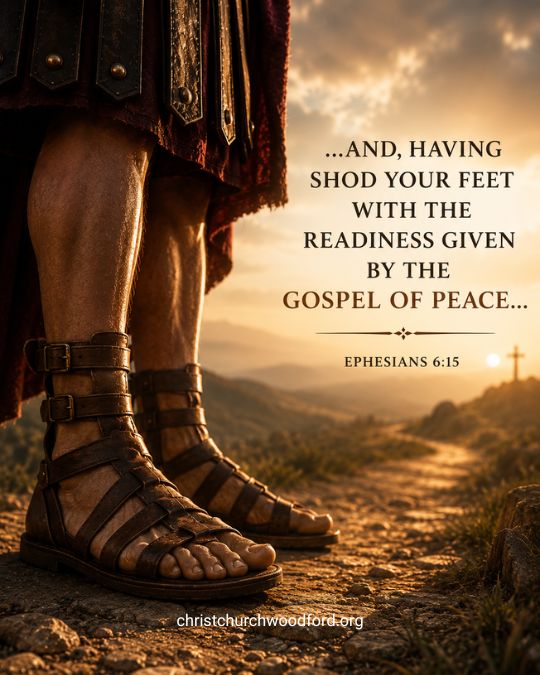
The shoes of the gospel of peace represent the stability and confidence that come from being at peace with God through Jesus Christ. Because of Christ’s death and resurrection, believers are no longer separated from God but reconciled to Him.
As Paul writes, “Therefore, since we have been justified by faith, we have peace with God through our Lord Jesus Christ” (Romans 5:1). This peace is more than a feeling of calm—it’s the assurance of a restored relationship with God.
That assurance gives believers firm footing when life becomes uncertain. Instead of being shaken by fear, trials, or changing circumstances, they can stand confidently on the truth of the gospel. But these shoes are also connected to “readiness.” Christians are called not only to receive God’s peace but to carry it to others. When your own footing is secure, you’re prepared to walk into difficult situations, share the hope of the gospel, and point others to the peace that Christ offers.
The Shield of Faith
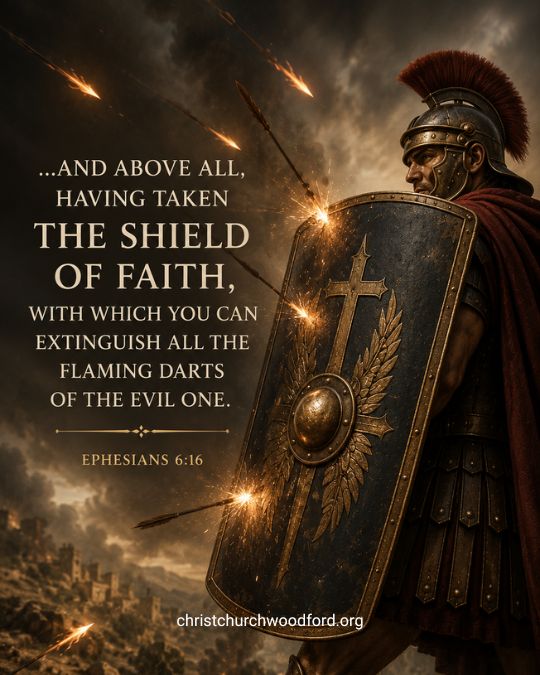
Roman shields, called scuta, were large, curved, and often covered in leather that could be soaked in water before battle. When enemy archers shot flaming arrows, soldiers would lock shields together and the wet leather would extinguish the fire on impact.
“…and above all, having taken the shield of faith, with which you can extinguish all the flaming darts of the evil one.” – Ephesians 6:16
The shield of faith meaning is about exactly this — putting out fires before they spread. Those “flaming arrows” look different for each of us: a sudden wave of despair, a thought that says God has abandoned you, a temptation that hits with surprising intensity. Faith doesn’t mean these arrows never come. It means they don’t have to ignite anything.
Faith in spiritual warfare isn’t a feeling of certainty that everything will go your way. It’s trust in God’s character even when circumstances say otherwise.
Think of Abraham, who trusted God’s promise of a son even when it seemed impossible. Think of David, a shepherd boy who faced Goliath not because he was confident in his own strength, but because he trusted the God who had been faithful to him before. Think of Daniel, who kept praying even when it meant facing a den of lions, because his trust was in God, not in his own safety.
Every one of them held up the shield, and the fire didn’t consume them.
The Helmet of Salvation
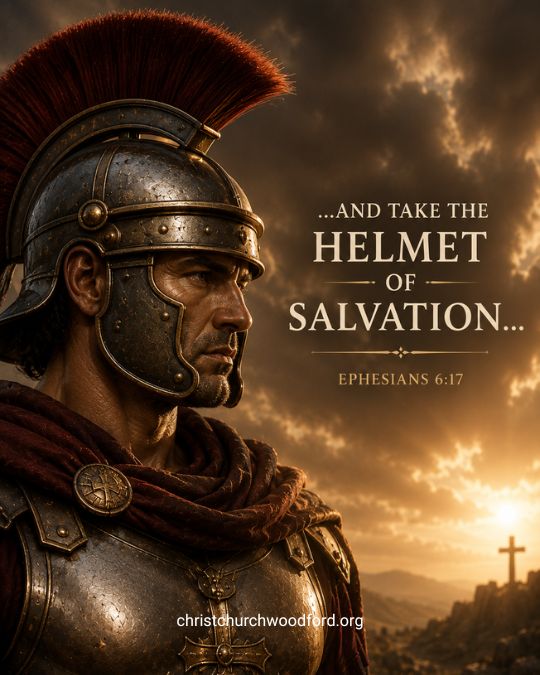
A helmet protected one of the most important parts of a soldier’s body—the head. Without it, even a single blow could be devastating. Paul uses this image to show how salvation protects the believer’s mind, where many spiritual battles begin.
“…and take the helmet of salvation…” Ephesians 6:17
The helmet of salvation represents the assurance believers have through Jesus Christ. When you know your salvation rests on what Christ has done—not on your own performance—it changes how you think. Your identity becomes secure, and doubts about your standing with God lose their grip.
This matters because the enemy often attacks the mind with fear, guilt, shame, and discouragement. Thoughts like “God could never forgive me” or “I’m too far gone” can slowly undermine confidence in God’s promises. The helmet of salvation guards against these attacks by reminding believers that their hope and security are found in Christ alone.
Paul also urges Christians to be transformed “by the renewal of your mind“ (Romans 12:2). Putting on the helmet of salvation means daily choosing to fill your mind with God’s truth and allowing the certainty of your salvation to shape your thoughts before fear and doubt take hold.
The Sword of the Spirit
Every piece of armor so far has been defensive. The sword is different — it’s the one offensive weapon in the list, and it’s the one Paul names explicitly.
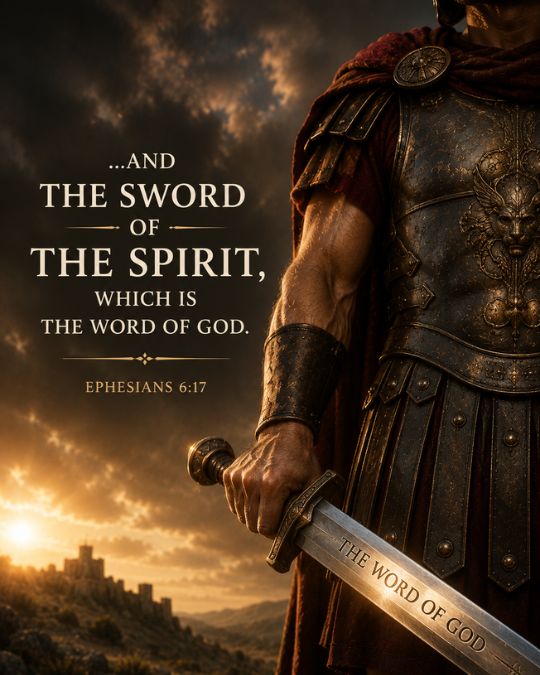
“…and the sword of the Spirit, which is the word of God.” – Ephesians 6:17
The sword of the Spirit meaning is straightforward: it’s Scripture itself. The Word of God as a spiritual weapon isn’t about winning theological debates. It’s about having something true to bring into moments where lies are pressing in.
We see this most clearly in Jesus’s own life. When tempted in the wilderness, Jesus didn’t argue with the devil using His own reasoning — He responded with Scripture, three times, each time meeting a specific temptation with a specific truth from God’s word Matthew 4:1-11. That’s the pattern.
Practically, this means knowing Scripture well enough that it comes to mind in the moment — not just reading it occasionally, but carrying it with you, so that when anxiety rises or temptation knocks, you have something true and sharp to respond with.
Why Prayer Matters in Spiritual Warfare
After listing the six pieces of armor, Paul adds something that ties them all together:
“…praying at all times in the Spirit, with all prayer and supplication. To that end, keep alert with all perseverance, making supplication for all the saints…” Ephesians 6:18
Prayer isn’t a separate, seventh piece of armor. It’s the posture in which the armor is worn. Truth, righteousness, faith, salvation, and God’s Word are not meant to function apart from a living dependence on God. Putting on the armor of God is ultimately an act of prayer—continually turning to Him for strength, wisdom, and help.
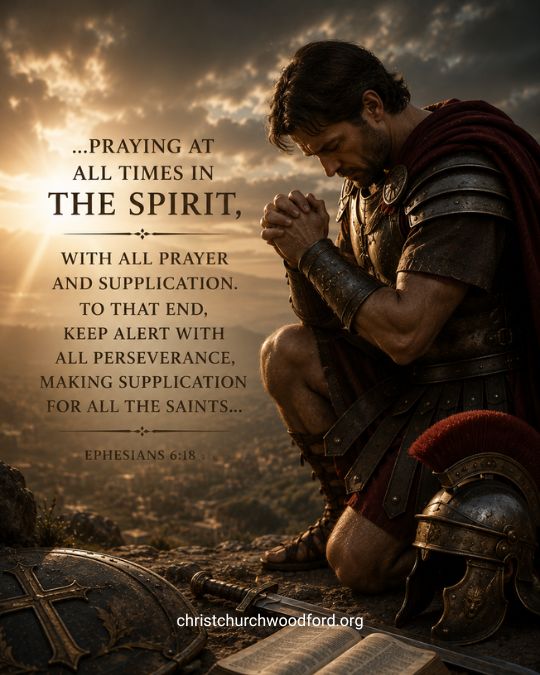
Paul’s command to pray “at all times” is especially striking because he wrote these words from prison. He understood that spiritual battles cannot be won through human effort alone. Prayer keeps believers connected to God, strengthens faith, sharpens discernment, and reminds them that they do not fight alone.
Jesus modeled this in the Garden of Gethsemane, praying before the greatest trial of His earthly life. Paul did the same, regularly praying for other believers even while imprisoned. Prayer is not a last resort in spiritual warfare—it is the lifeline that runs through every piece of the armor.
How to Put on the Armor of God Every Day
So how does all of this actually work in your everyday life? How to put on the armor of God isn’t a complicated ritual — it’s a rhythm.
It starts with prayer, simply talking to God before the day gets its hooks into you. It continues with reading and meditating on Scripture, even briefly, so truth is in your mind before you need it. It means choosing to trust God’s promises in the moments when circumstances suggest otherwise — when the diagnosis is scary, when the bank account is low, when the relationship feels broken. It means walking in obedience, making the small choices that align with what you know to be right, even when no one’s watching.
It also means staying connected to other believers. Armor was never meant to be worn by a soldier standing alone — soldiers stood in formation, shields overlapping, covering each other’s blind spots. And it means staying alert, recognizing that temptation often comes when you’re tired, isolated, or comfortable. Putting on the armor of God daily isn’t about achieving some spiritual high. It’s about showing up, day after day, dressed and ready.
Frequently Asked Questions About the Armor of God
What are the seven pieces of the Armor of God?
The belt of truth, the breastplate of righteousness, the shoes of the gospel of peace, the shield of faith, the helmet of salvation, the sword of the Spirit, and prayer, which accompanies and ties together all the others.
How do you put on the Armor of God?
You put it on through daily prayer, reading and meditating on Scripture, trusting God’s promises, walking in obedience, and staying connected to other believers — not through a one-time ritual but through ongoing dependence on God.
Why is prayer connected to the Armor of God?
Prayer is the posture in which the armor is put on. It’s not a separate piece but the thread running through all of them, keeping you alert and connected to God in the midst of the battle.
What is the most important piece of the Armor of God?
Scripture doesn’t rank the pieces — each protects something vital. But many believers find the belt of truth foundational, since it’s listed first and everything else is, in a sense, fastened to it.
Can Christians fight spiritual warfare without the Armor of God?
Technically every believer already has access to this armor through Christ, but trying to face spiritual battles while ignoring truth, faith, and prayer leaves you exposed in exactly the areas where attacks tend to land.
Standing Firm in God’s Strength
The Armor of God is a reminder that Christians do not face spiritual battles alone. God has provided everything needed to stand firm—truth to guide us, righteousness to guard our hearts, peace to steady our steps, faith to extinguish doubt, salvation to protect our minds, and His Word to confront deception. Through prayer, believers remain connected to the One who empowers them.
Paul’s message in Ephesians 6 is not to live in fear of spiritual warfare, but to live with confidence in God’s provision. Christians are called to stand firm, remain faithful, and trust that God is at work even when the battle is difficult. The victory does not come from ignoring the struggle, nor from relying solely on our own strength, but from faithfully walking with Christ day by day.
“Finally, be strong in the Lord and in the strength of his might.” Ephesians 6:10