The Wedding at Cana Explained: Why Jesus Turned Water into Wine

Picture the scene for a moment. A village wedding in Cana of Galilee. Music drifting through the courtyard. Families and friends gathered around a joyful feast. In a culture where weddings often lasted several days, this was meant to be a celebration remembered for a lifetime.
Then something unexpected happened.
Behind the laughter and celebration, a quiet problem began to spread. What should have been one of the happiest days in a young couple’s life was suddenly on the verge of becoming a public embarrassment.
It was in that ordinary moment—not in a synagogue, not on a mountainside, and not before a crowd seeking miracles—that Jesus performed the first sign recorded in John’s Gospel.
Why did He choose a wedding for the beginning of His public ministry? Why did He turn water into wine? And what does this miracle reveal about who Jesus is and the kingdom He came to establish?
The Wedding at Cana is far more than a story about an extraordinary miracle. It is the opening revelation of Christ’s glory, filled with symbolism, grace, and truths that continue to speak to Christians today.
The Wedding at Cana: The Story in John 2
John tells the story of the Wedding at Cana with remarkable simplicity. There are no dramatic descriptions or lengthy conversations. Yet within just a few verses, he records the beginning of Jesus’ public ministry and the first sign through which He revealed His glory.
A Wedding Celebration Turns Into a Crisis
The story begins with a wedding in the small village of Cana in Galilee. Jesus’ mother was already there, and Jesus and His disciples had also been invited to join the celebration.
“On the third day there was a wedding at Cana in Galilee. The mother of Jesus was there, and Jesus also was invited to the wedding with his disciples.” — John 2:1–2
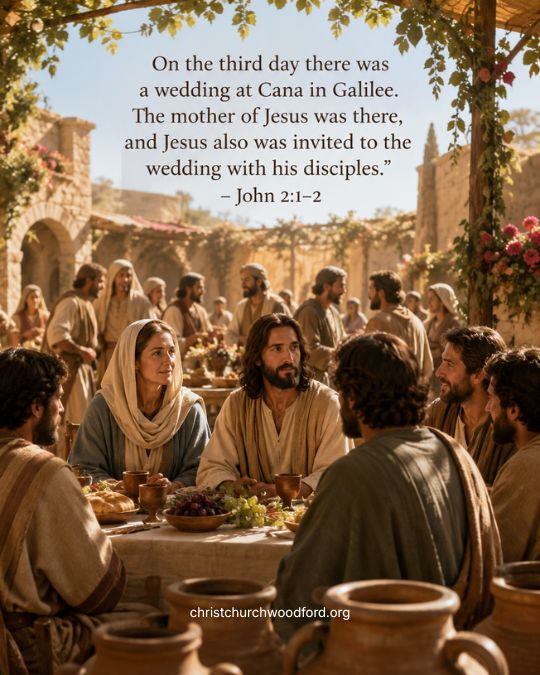
Jewish weddings were joyful community celebrations that often lasted several days. Hospitality was a matter of honour, so food and wine were expected to last for the entire feast.
Somewhere during the celebration, however, an unexpected problem arose.
The wine ran out.
Mary noticed the situation before most of the guests did. She came to Jesus with a simple statement—not a demand, but an expression of quiet confidence.
“When the wine ran out, the mother of Jesus said to him, ‘They have no wine.'” — John 2:3
After speaking with Jesus, Mary turned to the servants and gave what would become her final recorded words in all of Scripture:
“His mother said to the servants, ‘Do whatever he tells you.'” — John 2:5
The First Sign Reveals His Glory
Nearby stood six large stone jars used for Jewish ceremonial washing, each holding twenty to thirty gallons. Jesus instructed the servants to fill every jar with water, and they filled them to the brim.
Then He gave them an unexpected command:
“Now draw some out and take it to the master of the banquet.”
The servants obeyed.
Somewhere between the stone jars and the master’s cup, the miracle happened.
The master of the banquet tasted what had once been water, unaware of where it had come from. Only the servants who had filled the jars knew what Jesus had done. Calling the bridegroom aside, he expressed his amazement.
“The master of the banquet tasted the water that had become wine. He did not realize where it had come from, though the servants who had drawn the water knew. Then he called the bridegroom aside and said, ‘Everyone brings out the choice wine first and then the cheaper wine after the guests have had too much to drink; but you have saved the best till now.'” — John 2:9–10
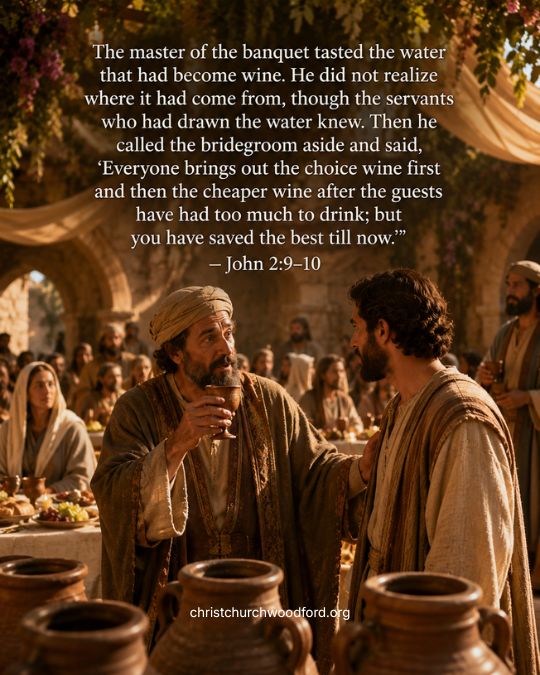
There was no public announcement. No applause from the crowd. Most of the guests never realised a miracle had taken place. Only the servants, the disciples, and Jesus’ mother knew what had happened.
John closes the account with a simple but profound statement:
What Jesus did here in Cana of Galilee was the first of the signs through which he revealed his glory; and his disciples believed in him. – John 2:11
What looks like a simple miracle is actually one of the richest symbolic moments in the entire Gospel of John.
Why Running Out of Wine Was Such a Big Problem
To modern readers, running out of wine at a wedding might seem like a minor inconvenience. But in first-century Jewish culture, it was a genuine crisis.
A Jewish wedding often lasted as long as seven days, and the groom’s family was responsible for providing generous hospitality throughout the celebration. Welcoming guests well was more than good manners—it was a matter of honour.
Running out of wine before the feast ended meant more than empty cups. It was a public embarrassment that reflected poorly on the bridegroom and his family. In a close-knit village, that shame could linger for years. Some Jewish traditions even suggest that failing to provide adequately for guests could lead to legal complaints, showing just how seriously hospitality was taken.
This is why Mary’s concern makes so much sense. She was not asking Jesus to perform a spectacle. She saw a family on the verge of public shame and quietly brought the problem to Him.
Jesus’ response reveals something beautiful about His character. His first recorded sign was not performed before a crowd or to silence His critics. It took place at an ordinary wedding to preserve a family’s joy and spare them from humiliation.
At Cana, Jesus did more than provide wine. He stepped into a moment of human need, replacing shame with grace and reminding us that no concern is too small to bring before Him.
Why Did Jesus Say, “Woman, Why Do You Involve Me? My Hour Has Not Yet Come?”
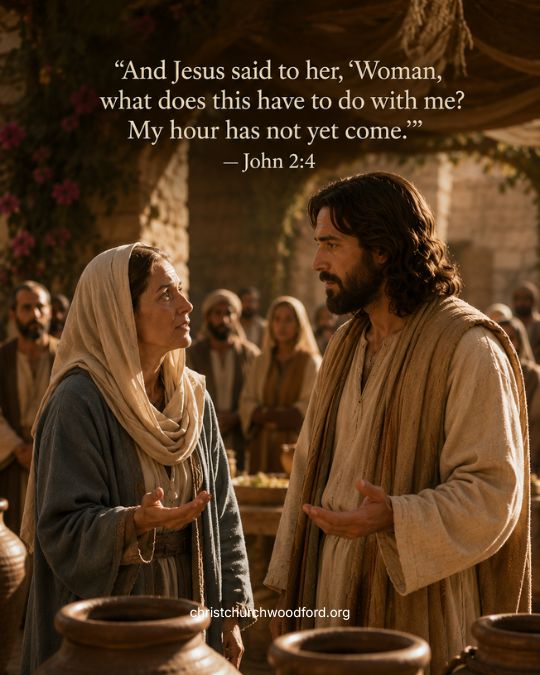
At first glance, Jesus’ response to His mother can sound surprisingly harsh. Many readers wonder why He addressed Mary as “woman” instead of “mother,” and why He seemed reluctant to help.
“And Jesus said to her, ‘Woman, what does this have to do with me? My hour has not yet come.'” — John 2:4
Far from creating distance between Himself and Mary, Jesus’ words reveal an important truth about His mission.
Was Jesus Being Disrespectful to Mary?
The answer is no.
Although the word “woman” may sound cold or abrupt in modern English, it was a respectful form of address in the first century. Jesus used the same word when speaking to Mary from the cross as He entrusted her to the care of the Apostle John (John 19:26), making it clear that His words carried no disrespect.
Rather than rejecting His mother, Jesus was gently reminding her that His ministry would now be directed by His Father’s will above every human relationship—even one as precious as His relationship with Mary.
What Did Jesus Mean by “My Hour Has Not Yet Come”?
The phrase “my hour” appears throughout John’s Gospel and always points forward to the climax of Jesus’ earthly ministry—His death, resurrection, and glorification.
Jesus was not saying He would never act. He was saying that every step of His ministry would unfold according to the Father’s perfect timing, not human expectations or requests.
Even this first miracle would not reveal the full extent of His glory. It was only the beginning of a journey that would ultimately lead to the cross, where God’s greatest work of salvation would be accomplished.
Mary’s Response Shows Remarkable Faith
Mary did not argue with Jesus or try to persuade Him further. Instead, she turned to the servants with quiet confidence.
“His mother said to the servants, ‘Do whatever he tells you.'” — John 2:5
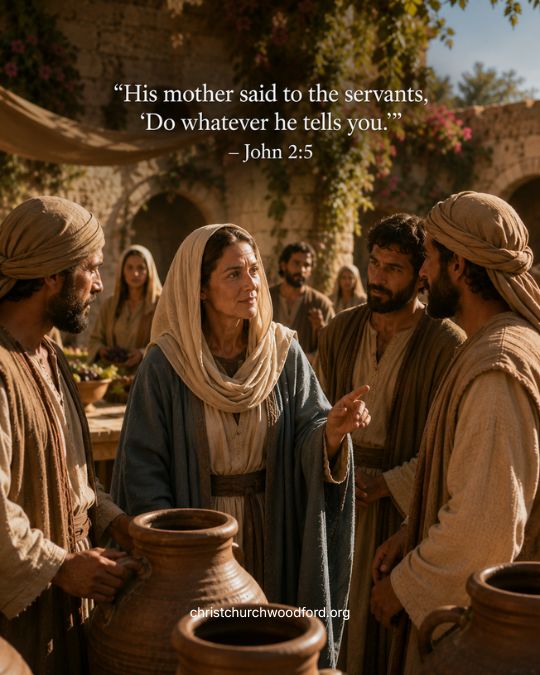
These are the last recorded words of Mary in all of Scripture, and they remain some of her most powerful. She trusted Jesus completely, even without knowing how He would respond.
Why Did Jesus Turn Water into Wine?
Jesus could have solved the family’s problem in countless ways. He could have quietly provided more wine through ordinary means or allowed someone else to step in. Instead, He chose to perform His very first public sign by turning water into wine.
Why?
John’s Gospel suggests that this miracle accomplished far more than saving a wedding celebration. It revealed who Jesus is and what He came to bring.
He Showed Compassion for Ordinary People
Jesus did not wait for a national crisis or a confrontation with religious leaders to reveal His power. His first sign took place at an ordinary village wedding, where an ordinary family faced an ordinary problem.
That tells us something important about His heart. Jesus cares not only about the great moments of history but also about the quiet struggles of everyday life. No concern is too small to bring before Him.
He Revealed His Divine Identity
John never calls this event a miracle. Instead, he calls it a sign because signs point beyond themselves.
The miracle was never primarily about the wine. It pointed to the One who made it.
Only the Creator has authority over creation itself. The same God who turned water into blood through Moses in Egypt now stood in Cana, turning water into wine through His own divine power.
This first sign quietly revealed that Jesus was far more than a teacher or prophet—He was God dwelling among His people.
He Began Revealing His Glory
John concludes the story by saying that Jesus “revealed his glory, and his disciples believed in him” (John 2:11).
This miracle marks the beginning of His public ministry. Rather than announcing Himself with political power or military strength, Jesus revealed His glory through an act of grace performed in the middle of a family celebration.
It set the pattern for everything that followed. Again and again, Jesus would reveal His identity through signs that invited people to believe rather than forcing them to believe.
He Revealed the Abundance of God’s Kingdom
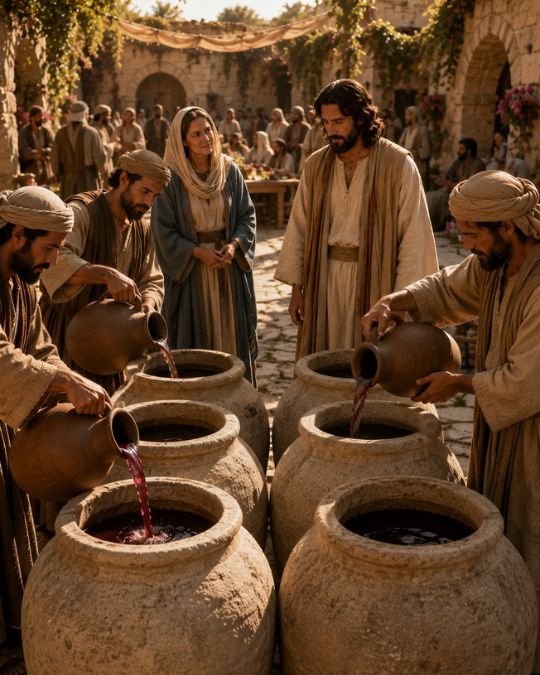
Jesus did not provide just enough wine to finish the feast. Six stone jars, each holding twenty to thirty gallons, meant somewhere between 120 and 180 gallons of wine—far more than the wedding guests could have expected.
Nor was it ordinary wine. The master of the banquet declared it to be the finest wine served that day.
Throughout the Old Testament, abundant wine was often a picture of God’s blessing and the joy of the coming Messianic kingdom. By providing the very best wine in overwhelming abundance, Jesus was giving a glimpse of the kingdom He had come to establish—a kingdom marked not by scarcity, but by overflowing grace.
The Symbolism of the Water and the Wine
John includes these details for a reason. The water and the wine are not merely part of the miracle—they carry symbolic meaning that points to Jesus’ mission.
Water Symbolizes Purification
The water Jesus used came from stone jars reserved for Jewish ceremonial washing. Rather than choosing ordinary containers, He used vessels associated with ritual cleansing under the Law, pointing to a greater cleansing that only He could bring.
Wine Symbolizes the New Covenant
Instead of leaving the water as it was, Jesus transformed it into wine. Throughout Scripture, wine is associated with God’s blessing and covenant promises. At Cana, it becomes a fitting symbol of the new covenant that Christ would establish through His death and resurrection.
Together They Point to a New Covenant
The transformation from water to wine is more than a remarkable miracle. The water came from jars used for ceremonial purification under the old covenant, while the wine points forward to the new covenant Jesus would establish through His death.
Years later, at the Last Supper, He would take a cup of wine and say:
“This cup is the new covenant in my blood, which is poured out for you.” – Luke 22:20
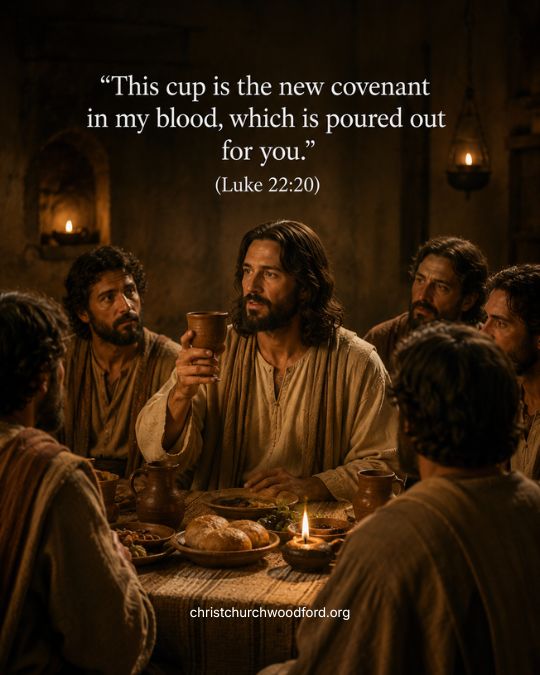
Seen in that light, the Wedding at Cana becomes an early sign that Jesus had come to fulfil the old covenant and inaugurate the new.
What the Wedding at Cana Teaches Us
The Wedding at Cana is more than the story of Jesus’ first sign. It reveals who Jesus is and what it means to follow Him today.
Jesus Cares About Our Everyday Lives
Jesus’ first public sign did not take place in a palace, a synagogue, or before a crowd of thousands. It happened at an ordinary village wedding, where a family quietly faced embarrassment.
That reminds us that no concern is too small to bring before Him. The same Lord who cared about a family’s hidden need at Cana still cares about the everyday burdens we carry.
Faith Often Begins with Simple Obedience
The servants had no idea what Jesus was about to do. They were simply told to fill the jars with water and take some to the master of the banquet.
They obeyed before they understood, and it was through that obedience that they witnessed the miracle. God often asks us to trust Him with the next step before showing us the whole picture.
God Often Works in Quiet Ways
No announcement was made. Most of the guests never realised a miracle had taken place. Only the servants, the disciples, and Jesus’ mother knew what Jesus had done.
God still works like that today. Some of His greatest work happens quietly, changing hearts and lives in ways the world may never notice.
Jesus Replaces Shame with Grace
The family expected humiliation. Instead, Jesus gave them the finest wine, preserving their joy and revealing His generosity.
This miracle is not a promise of material prosperity, but it does reveal the heart of Christ. He delights in replacing shame with grace, emptiness with fullness, and despair with hope.
Most importantly, the sign invited the disciples to believe in Him—the true purpose of every sign recorded in John’s Gospel.
Why the Wedding at Cana Still Matters Today
The Wedding at Cana reminds us that God is present not only in life’s greatest moments but also in its quiet, everyday struggles. We all experience seasons when our plans fall apart, our resources seem to run out, or we quietly carry burdens that no one else sees.
This story encourages us to bring those moments to Jesus. Just as He met a family’s hidden need at Cana, He still cares about the ordinary concerns we often think are too small to matter. Nothing is insignificant to Him.
The miracle also reminds us to trust God’s timing. Mary simply placed the need before Jesus and told the servants, “Do whatever he tells you.” She did not know how He would act, but she trusted Him completely. That same trust is still the heart of faith today.
Whether we are waiting for an answer, facing disappointment, or simply trying to remain faithful in everyday life, the Wedding at Cana reminds us that Jesus is able to bring hope where we see only emptiness and joy where we expect only shame.
Frequently Asked Questions
Where is the Wedding at Cana found in the Bible?
The Wedding at Cana is recorded in John 2:1–11, where John describes it as the first sign through which Jesus revealed His glory and His disciples believed in Him.
Why is the Wedding at Cana called Jesus’ first sign instead of His first miracle?
John deliberately calls Jesus’ miracles “signs” because they point beyond the supernatural event itself. The miracle was not simply about turning water into wine—it revealed Jesus’ identity as the Messiah and invited people to believe in Him.
Was the miracle only about saving a wedding?
No. While Jesus spared a family from public shame, John makes it clear that the deeper purpose was to reveal Christ’s glory. The miracle pointed to who Jesus is and the new covenant He came to establish.
Does the Wedding at Cana support prosperity theology?
No. The miracle is not a promise that God will always provide material abundance or remove every hardship. It is a sign revealing Jesus’ character, His compassion, and the abundant grace found in His kingdom.
Why was Jesus’ first miracle performed at a wedding?
The Bible does not explicitly say why Jesus chose a wedding for His first sign. However, the setting beautifully reflects themes of joy, covenant, and celebration that run throughout Scripture. It also foreshadows Jesus as the true Bridegroom who came to establish a new covenant with His people.
Why were there six stone jars at the Wedding at Cana?
John tells us there were six stone jars used for Jewish ceremonial washing (John 2:6), but he does not explain why there were six. Rather than focusing on the number, John’s emphasis is on what the jars were used for. They were associated with ritual purification under the Law, making them significant in Jesus’ first sign as He transformed water into wine. The passage invites readers to focus on what the miracle reveals about Jesus, rather than the number of jars themselves.