The Seventh Day— the Sabbath: What It Means for Us Today

The Sabbath—the seventh day set apart for rest and worship—originates in Genesis 2:2-3 when God ceased from His creative work and blessed the seventh day, making it holy, a pattern later codified as the Fourth Commandment in Exodus 20:8-11 (“Remember the Sabbath day, to keep it holy”).
This sacred day of rest appears throughout Scripture as both a celebration of God’s completed creation and a memorial of Israel’s deliverance from Egyptian slavery (Deuteronomy 5:15), observed from Friday sunset to Saturday sunset in Jewish tradition, while most Christians worship on Sunday commemorating Christ’s resurrection.
The Sabbath debate—whether to observe Saturday, Sunday, or simply the principle of rest—continues today across Catholic, Orthodox, Protestant, and Seventh-Day Adventist traditions, while Jesus’s declaration that “the Sabbath was made for man, not man for the Sabbath” (Mark 2:27) reframes the conversation around rest as gift rather than burden, ultimately pointing toward the eternal rest believers enter through faith in Christ (Hebrews 4:9-11).
Why Does the Sabbath Even Matter Anymore?
I’ll be honest—when I first started studying the Sabbath, I thought it was one of those Old Testament rules Christians could safely ignore. After all, doesn’t the New Testament free us from the Law?
But the more I dug into Scripture, history, and theology, the more I realized the Sabbath isn’t just an arbitrary rule. It’s woven into the very fabric of creation itself, predating Moses, the Law, even Israel as a nation.
And in our always-on, productivity-obsessed culture? The Sabbath might be more relevant than ever.
The Questions We’re Really Asking
When people ask about the Sabbath today, they’re usually wrestling with deeper questions:
- Did God really rest, and if so, why would an omnipotent God need rest?
- Is Saturday or Sunday the “correct” day, or does it even matter?
- Are Christians required to observe the Sabbath, or was it only for Israel?
- What does “keeping the Sabbath holy” actually look like in practice?
- Can rest really be a spiritual discipline, or is that just laziness with a religious label?
Let me walk you through what Scripture actually says, how different traditions have understood it, and what it might mean for your life today.
In the Beginning: God’s Seventh Day Rest (Genesis 2:2-3)
When God Stopped Working
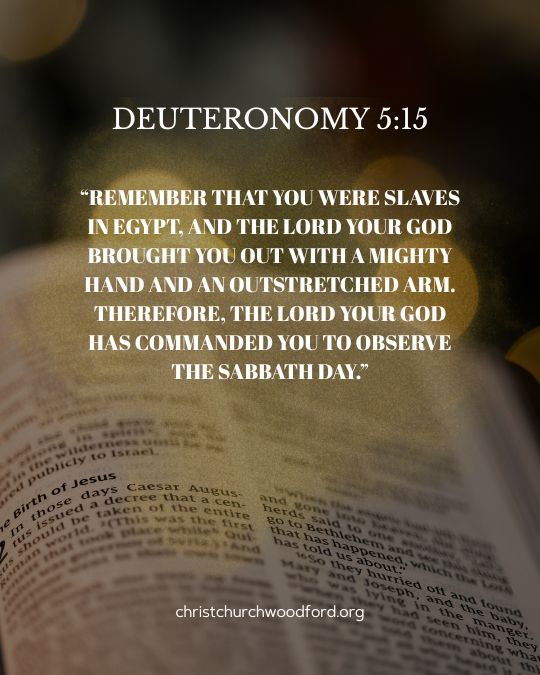
Genesis 2:2-3 records something remarkable: “And on the seventh day God finished his work that he had done, and he rested on the seventh day from all his work that he had done. So God blessed the seventh day and made it holy, because on it God rested from all his work that he had done in creation.”
Three times in two verses, the text emphasizes God’s rest. This isn’t accidental—it’s the author making absolutely sure we don’t miss the point.
But here’s what’s fascinating: the Hebrew word for “rested” is shabat (שָׁבַת), which means “to cease, to stop, to desist.” God didn’t rest because He was tired—Isaiah 40:28 explicitly states that the Creator “does not faint or grow weary.”
God rested to establish a pattern, to model something essential for His image-bearers.
The Rhythm Built Into Creation
Notice that the seventh day in Genesis 2 has no evening and morning marker like the previous six days. Every other day concludes with “there was evening and there was morning, the [x] day.” But day seven? It just… continues.
Some scholars, including Old Testament expert John Walton, suggest this implies God’s rest is ongoing—an eternal Sabbath we’re invited to enter. The creation itself operates on a six-plus-one rhythm: work, work, work, work, work, work, rest.
This isn’t just for religious people. It’s embedded in the created order itself.
Key verses establishing Sabbath at creation:
- Genesis 2:2 – “And on the seventh day God finished his work that he had done, and he rested on the seventh day from all his work that he had done.”
- Genesis 2:3 – “So God blessed the seventh day and made it holy, because on it God rested from all his work that he had done in creation.”
- Exodus 20:11 – “For in six days the LORD made heaven and earth, the sea, and all that is in them, and rested on the seventh day. Therefore the LORD blessed the Sabbath day and made it holy.”
Key Takeaways:
- The Sabbath predates Moses and the Law—it originates at creation itself
- God rested to establish a pattern for humanity, not because He needed physical rest
- The seventh day was “blessed” and “made holy”—set apart as different from the other six
- The Hebrew word “shabat” means “cease” or “stop,” emphasizing cessation rather than recuperation
- The ongoing nature of God’s rest invites humanity into eternal Sabbath rest
The Fourth Commandment: Remember the Sabbath Day (Exodus 20:8-11)
When Sabbath Became Law
At Mount Sinai, God codified what had been embedded in creation since the beginning. Exodus 20:8-11 records: “Remember the Sabbath day, to keep it holy. Six days you shall labor, and do all your work, but the seventh day is a Sabbath to the LORD your God. On it you shall not do any work, you, or your son, or your daughter, your male servant, or your female servant, or your livestock, or the sojourner who is within your gates. For in six days the LORD made heaven and earth, the sea, and all that is in them, and rested on the seventh day. Therefore the LORD blessed the Sabbath day and made it holy.”
Notice the word “remember.” This wasn’t introducing something new—it was calling Israel to remember what had been true since creation.
Two Versions, Two Rationales
Here’s something interesting: the Ten Commandments appear twice in the Torah, and the Sabbath command has a significant difference.
Exodus 20:8-11 version: Links Sabbath to creation—“For in six days the LORD made heaven and earth…”
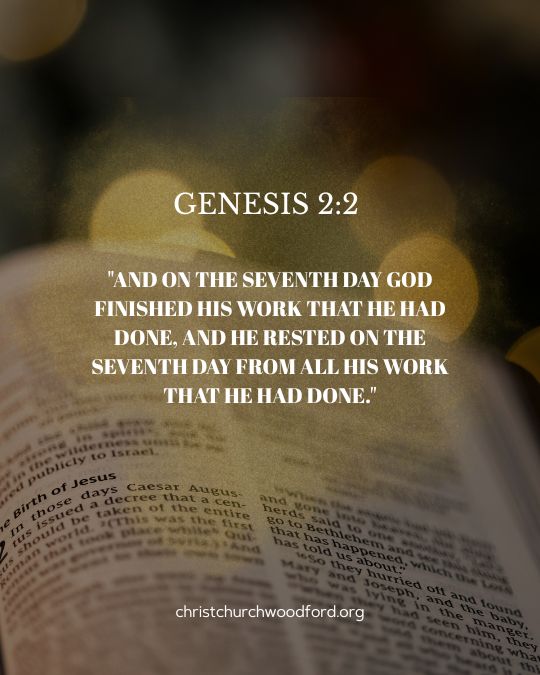
Deuteronomy 5:12-15 version: Links Sabbath to redemption—“You shall remember that you were a slave in the land of Egypt, and the LORD your God brought you out from there with a mighty hand and an outstretched arm. Therefore the LORD your God commanded you to keep the Sabbath day.”
Same commandment, two theological foundations: creation and deliverance. The Sabbath celebrates both God’s creative work and His redemptive work.
Comparison of the Two Sabbath Commands:
| Aspect | Exodus 20:8-11 | Deuteronomy 5:12-15 |
|---|---|---|
| Opening Verb | “Remember” | “Observe” |
| Rationale | Creation rest | Egyptian deliverance |
| Emphasis | God as Creator | God as Redeemer |
| Memory Focus | God rested on day seven | You were slaves in Egypt |
| Servant Inclusion | Mentioned | Emphasized (“that your servant may rest as well as you”) |
| Theological Theme | Universal (creation order) | Particular (Israel’s salvation history) |
Additional Sabbath commandment verses:
- Exodus 31:13 – “You are to speak to the people of Israel and say, ‘Above all you shall keep my Sabbaths, for this is a sign between me and you throughout your generations, that you may know that I, the LORD, sanctify you.'”
- Exodus 31:16-17 – “Therefore the people of Israel shall keep the Sabbath, observing the Sabbath throughout their generations, as a covenant forever. It is a sign forever between me and the people of Israel that in six days the LORD made heaven and earth, and on the seventh day he rested and was refreshed.”
- Leviticus 23:3 – “Six days shall work be done, but on the seventh day is a Sabbath of solemn rest, a holy convocation. You shall do no work. It is a Sabbath to the LORD in all your dwelling places.”
- Deuteronomy 5:12 – “Observe the Sabbath day, to keep it holy, as the LORD your God commanded you.”
Key Takeaways:
- The Fourth Commandment links Sabbath to both creation and redemption
- Exodus emphasizes God as Creator; Deuteronomy emphasizes God as Deliverer
- Sabbath rest extended to servants, animals, and foreigners—not just Israelites
- The Sabbath served as a covenant sign between God and Israel
- Rest was commanded, not suggested—violation carried serious consequences
Sabbath Observance in Ancient Israel: What It Looked Like
The Practical Details
Old Testament Israel took Sabbath observance seriously. Really seriously.
Numbers 15:32-36 records an incident where a man was found gathering sticks on the Sabbath and was stoned to death. That seems extreme to modern readers, but it reveals how seriously God wanted Israel to treat His rest day.
Nehemiah 13:15-22 describes reform efforts where Nehemiah shut the gates of Jerusalem on Friday evening to prevent merchants from selling on the Sabbath. When they tried camping outside the walls, he threatened them with force.
What made the Sabbath different?
Sabbath prohibitions included:
- No work (Exodus 20:10)
- No kindling fire (Exodus 35:3)
- No gathering food/manna (Exodus 16:25-26)
- No buying or selling (Nehemiah 13:15-22)
- No carrying burdens (Jeremiah 17:21-22)
- Staying in your place (Exodus 16:29)
Sabbath practices included:
- Holy convocation/assembly (Leviticus 23:3)
- Additional sacrifices at the temple (Numbers 28:9-10)
- Changing the showbread (Leviticus 24:8)
- Family meals and rest
- Delight in the Lord (Isaiah 58:13-14)
Verses about Sabbath observance:
- Exodus 35:3 – “You shall kindle no fire in all your dwelling places on the Sabbath day.”
- Isaiah 58:13-14 – “If you turn back your foot from the Sabbath, from doing your pleasure on my holy day, and call the Sabbath a delight and the holy day of the LORD honorable; if you honor it, not going your own ways, or seeking your own pleasure, or talking idly; then you shall take delight in the LORD, and I will make you ride on the heights of the earth.”
- Jeremiah 17:21-22 – “Thus says the LORD: Take care for the sake of your lives, and do not bear a burden on the Sabbath day or bring it in by the gates of Jerusalem. And do not carry a burden out of your houses on the Sabbath or do any work, but keep the Sabbath day holy, as I commanded your fathers.”
- Ezekiel 20:12 – “Moreover, I gave them my Sabbaths, as a sign between me and them, that they might know that I am the LORD who sanctifies them.”
Key Takeaways:
- Ancient Israel observed Sabbath from Friday sunset to Saturday sunset
- Sabbath violations carried severe penalties, including death in extreme cases
- The day included both prohibitions (no work) and prescriptions (worship, delight)
- Sabbath was corporate—entire households, servants, animals participated
- The goal was holiness and rest, not legalistic burden
Jesus and the Sabbath: Lord of the Seventh Day
The Controversies That Defined His Ministry
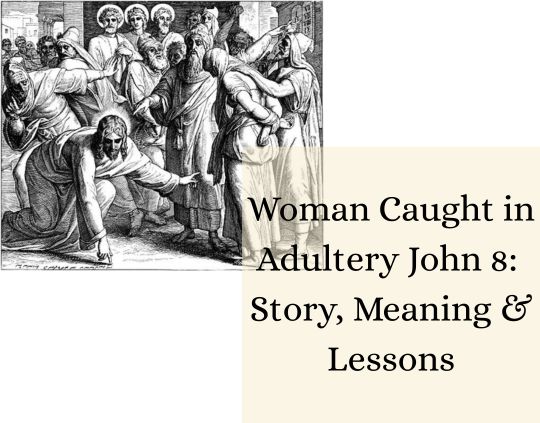
If you read the Gospels carefully, you’ll notice Jesus gets into more conflicts over Sabbath observance than almost any other issue. He healed on the Sabbath repeatedly, and each time, the Pharisees went ballistic.
Why? Because by Jesus’s time, Jewish religious leaders had built what they called a “fence around the Law”—adding hundreds of additional regulations to ensure no one accidentally broke the Sabbath. The Mishnah (Jewish oral law) lists 39 categories of prohibited work.
Jesus systematically dismantled this legalistic approach.
Jesus’s Seven Sabbath Healings
The Gospels record at least seven healing miracles Jesus performed on the Sabbath:
- Man with unclean spirit (Mark 1:21-28) – In Capernaum synagogue
- Peter’s mother-in-law (Mark 1:29-31) – Healed of fever
- Man with withered hand (Matthew 12:9-14) – Jesus asks, “Is it lawful to do good on the Sabbath?”
- Crippled woman (Luke 13:10-17) – Bent for 18 years, freed from bondage
- Man with dropsy (Luke 14:1-6) – At a Pharisee’s house
- Invalid at Bethesda (John 5:1-18) – 38 years, told to “take up your bed”
- Man born blind (John 9:1-41) – Made mud, anointed eyes
Every single healing provoked Pharisaic outrage. And Jesus’s responses are fascinating.
“The Sabbath Was Made for Man”
Mark 2:27-28 contains Jesus’s most revolutionary Sabbath statement: “The Sabbath was made for man, not man for the Sabbath. So the Son of Man is lord even of the Sabbath.”
Think about what Jesus is saying: The Sabbath is a gift, not a burden. It exists to serve human flourishing, not to create religious hoops to jump through.
And then He adds the kicker: He’s the Lord of the Sabbath. He has authority over it. He defines its proper use.
Key Jesus and Sabbath verses:
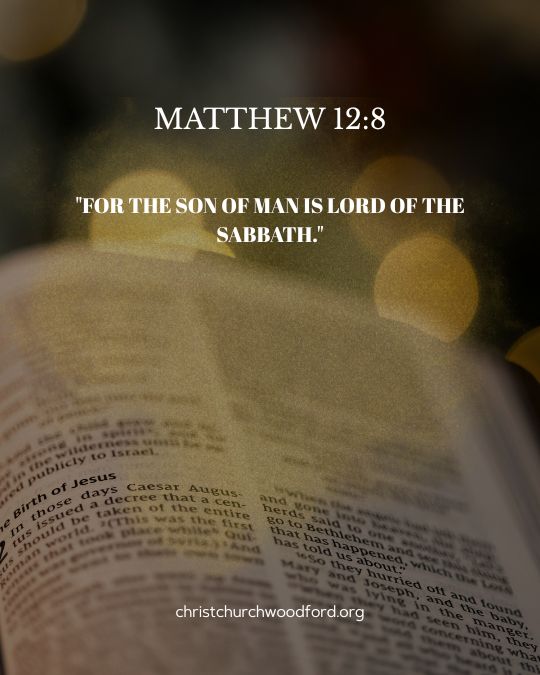
- Matthew 12:8 – “For the Son of Man is lord of the Sabbath.”
- Matthew 12:11-12 – “He said to them, ‘Which one of you who has a sheep, if it falls into a pit on the Sabbath, will not take hold of it and lift it out? Of how much more value is a man than a sheep! So it is lawful to do good on the Sabbath.'”
- Mark 2:27-28 – “And he said to them, ‘The Sabbath was made for man, not man for the Sabbath. So the Son of Man is lord even of the Sabbath.'”
- Luke 13:15-16 – “Then the Lord answered him, ‘You hypocrites! Does not each of you on the Sabbath untie his ox or his donkey from the manger and lead it away to water it? And ought not this woman, a daughter of Abraham whom Satan bound for eighteen years, be loosed from this bond on the Sabbath day?'”
- John 5:17 – “But Jesus answered them, ‘My Father is working until now, and I am working.'”
- John 7:23 – “If on the Sabbath a man receives circumcision, so that the law of Moses may not be broken, are you angry with me because on the Sabbath I made a man’s whole body well?”
Key Takeaways:
- Jesus performed at least seven recorded Sabbath healings, each provoking controversy
- He challenged legalistic interpretations while upholding Sabbath’s true intent
- Jesus declared Himself “Lord of the Sabbath,” claiming divine authority over it
- The Sabbath serves humanity, not the other way around
- Doing good and showing mercy always align with Sabbath’s purpose
Saturday, Sunday, or Simply Rest? The Christian Sabbath Debate
The Early Church Transition
Here’s where things get complicated. The early church gradually shifted from Saturday Sabbath observance to Sunday worship, though the transition wasn’t immediate or uniform.
Acts 20:7 mentions believers gathering “on the first day of the week” to break bread. 1 Corinthians 16:2 instructs collections to be taken “on the first day of the week.” Revelation 1:10 refers to “the Lord’s Day.”
Why Sunday? Because Jesus rose from the dead on the first day of the week (Matthew 28:1, Mark 16:2, Luke 24:1, John 20:1). Sunday became “the Lord’s Day”—a weekly celebration of resurrection rather than a transfer of Sabbath law.
Different Traditions, Different Approaches
Catholic and Orthodox: Sunday as the Lord’s Day replaces Sabbath; obligation to attend Mass/Liturgy; emphasizes resurrection celebration over Sabbath law.
Most Protestants: Sunday worship commemorates resurrection; Sabbath principles (rest, worship) apply but not ceremonial details; freedom in Christ regarding day observance.
Seventh-Day Adventists: Saturday remains the biblical Sabbath; observance from Friday sunset to Saturday sunset; Sunday worship seen as unbiblical tradition.
Messianic Jews: Saturday Sabbath observance as part of Jewish identity and covenantal relationship with God.
What Does the New Testament Actually Say?
Romans 14:5-6: “One person esteems one day as better than another, while another esteems all days alike. Each one should be fully convinced in his own mind. The one who observes the day, observes it in honor of the Lord.”
Colossians 2:16-17: “Therefore let no one pass judgment on you in questions of food and drink, or with regard to a festival or a new moon or a Sabbath. These are a shadow of the things to come, but the substance belongs to Christ.”
These passages suggest that under the New Covenant, strict Sabbath observance isn’t binding on Christians, though the principle of rest remains valuable.
New Testament Sabbath perspective verses:
- Acts 20:7 – “On the first day of the week, when we were gathered together to break bread, Paul talked with them, intending to depart on the next day.”
- 1 Corinthians 16:2 – “On the first day of every week, each of you is to put something aside and store it up, as he may prosper, so that there will be no collecting when I come.”
- Colossians 2:16-17 – “Therefore let no one pass judgment on you in questions of food and drink, or with regard to a festival or a new moon or a Sabbath. These are a shadow of the things to come, but the substance belongs to Christ.”
- Romans 14:5-6 – “One person esteems one day as better than another, while another esteems all days alike. Each one should be fully convinced in his own mind. The one who observes the day, observes it in honor of the Lord.”
- Galatians 4:9-10 – “But now that you have come to know God, or rather to be known by God, how can you turn back again to the weak and worthless elementary principles of the world, whose slaves you want to be once more? You observe days and months and seasons and years!”
Key Takeaways:
- Early Christians shifted to Sunday worship commemorating Christ’s resurrection
- Different Christian traditions hold varying views on Sabbath observance
- The New Testament emphasizes freedom regarding day observance under the New Covenant
- Sabbath principles of rest and worship remain valuable even if specific regulations don’t bind Christians
- Love and conviction should guide practice, not judgment of others’ choices
The Eternal Sabbath: Hebrews 4 and Ultimate Rest
Rest as Salvation Theme
The book of Hebrews takes Sabbath theology to its ultimate conclusion. Hebrews 4:9-11 declares: “So then, there remains a Sabbath rest for the people of God, for whoever has entered God’s rest has also rested from his works as God did from his. Let us therefore strive to enter that rest, so that no one may fall by the same sort of disobedience.”
The author argues that Israel’s wilderness generation didn’t enter God’s rest (they died in the desert). Joshua didn’t give them ultimate rest (Canaan had ongoing conflicts). David still spoke of a future rest centuries later.
The true Sabbath rest isn’t a day—it’s a Person. It’s resting from our attempts to earn salvation through works and trusting entirely in Christ’s finished work.
From Weekly to Eternal
The weekly Sabbath was always meant to point beyond itself. It was a shadow, a preview, a weekly reminder that God offers ultimate rest for weary souls.
Jesus’s invitation in Matthew 11:28-30 echoes Sabbath theology: “Come to me, all who labor and are heavy laden, and I will give you rest. Take my yoke upon you, and learn from me, for I am gentle and lowly in heart, and you will find rest for your souls. For my yoke is easy, and my burden is light.”
Eternal rest and fulfillment verses:
- Hebrews 4:3 – “For we who have believed enter that rest, as he has said, ‘As I swore in my wrath, “They shall not enter my rest,”‘ although his works were finished from the foundation of the world.”
- Hebrews 4:9-11 – “So then, there remains a Sabbath rest for the people of God, for whoever has entered God’s rest has also rested from his works as God did from his. Let us therefore strive to enter that rest.”
- Matthew 11:28-30 – “Come to me, all who labor and are heavy laden, and I will give you rest. Take my yoke upon you, and learn from me, for I am gentle and lowly in heart, and you will find rest for your souls. For my yoke is easy, and my burden is light.”
- Psalm 95:11 – “Therefore I swore in my wrath, ‘They shall not enter my rest.'”
- Isaiah 66:23 – “From new moon to new moon, and from Sabbath to Sabbath, all flesh shall come to worship before me, declares the LORD.”
Key Takeaways:
- Hebrews reframes Sabbath as spiritual rest entered through faith in Christ
- The weekly Sabbath pointed toward eternal rest in God’s presence
- Believers “enter rest” by ceasing from self-salvation efforts and trusting Christ’s finished work
- Jesus offers the rest our souls truly need—peace with God through grace
- The ultimate Sabbath is eschatological—complete rest in the new creation
Why the Sabbath Still Matters: Modern Applications
The Gift We’re Refusing
Here’s what strikes me: we live in the most productive, connected, always-on society in human history. We carry work in our pockets 24/7. We check email at midnight. We measure our worth by our productivity.
And we’re exhausted.
The Sabbath offers a radical alternative: one day in seven to stop. To cease. To rest not because you’ve earned it or finished your to-do list, but because God commands it as a gift.
Practical Sabbath Principles for Today
Whether you observe Saturday, Sunday, or simply need to build rest into your life, consider these principles:
- Regular rhythm: Set aside consistent time for rest and worship
- Cessation from productivity: Stop working, producing, achieving
- Delight, not drudgery: Sabbath should refresh you, not burden you
- Corporate worship: Gather with other believers
- Trust God’s provision: Rest demonstrates faith that God will provide
Additional practical and celebratory verses:
- Psalm 92:1-2 (A Psalm for the Sabbath) – “It is good to give thanks to the LORD, to sing praises to your name, O Most High; to declare your steadfast love in the morning, and your faithfulness by night.”
- Exodus 16:23 – “He said to them, ‘This is what the LORD has commanded: “Tomorrow is a day of solemn rest, a holy Sabbath to the LORD; bake what you will bake and boil what you will boil, and all that is left over lay aside to be kept till the morning.”‘”
- Nehemiah 9:14 – “And you made known to them your holy Sabbath and commanded them commandments and statutes and a law by Moses your servant.”
Key Takeaways:
- Modern culture desperately needs Sabbath rest amid constant productivity demands
- Sabbath rest demonstrates trust in God’s provision rather than self-sufficiency
- The specific day matters less than the principle of regular rest and worship
- Sabbath is a gift to receive, not a burden to bear
- Rest is spiritual discipline, not laziness or lack of ambition
Frequently Asked Questions About the Sabbath
Are Christians required to keep the Sabbath?
This remains debated among Christians. Seventh-Day Adventists and some Messianic believers argue Saturday Sabbath observance remains binding. Most Protestants, Catholics, and Orthodox Christians believe the ceremonial aspects of Sabbath law were fulfilled in Christ (Colossians 2:16-17), though the principle of rest and worship continues. Hebrews 4:9-11 suggests the ultimate “Sabbath rest” is spiritual—entering God’s rest through faith in Christ rather than works.
What does it mean to “keep the Sabbath holy”?
“Holy” means “set apart” or “different.” Keeping the Sabbath holy means treating it differently from the other six days—ceasing from regular work, focusing on worship, resting physically and spiritually, and delighting in God (Isaiah 58:13-14). It’s not primarily about following rules but about orienting an entire day around God’s presence, provision, and purposes rather than our productivity and achievement.
Can I work on the Sabbath if necessary?
Jesus affirmed that necessary work—rescuing animals, healing the sick, showing mercy—is appropriate on the Sabbath (Matthew 12:11-12). Many Christians distinguish between servile work (ordinary employment) and works of necessity or mercy. The key question is: Am I resting in God and trusting His provision, or am I making productivity my god? Different situations and convictions will lead to different answers, guided by Romans 14:5’s principle: “Each one should be fully convinced in his own mind.”
Conclusion: The Rest That Remains
The seventh day—the Sabbath—runs like a golden thread from creation through law, prophets, Jesus, and into the eternal rest that awaits us. It’s one of God’s most persistent gifts, offered even when we’re too busy to receive it.
God established the Sabbath before sin entered the world, which means rest isn’t just about recovery from fallen labor—it’s about celebrating completed work, trusting provision, and enjoying God’s presence without the compulsion to produce or achieve.
Whether you worship on Saturday or Sunday, whether you’re Protestant, Catholic, Orthodox, Adventist, or still figuring it out, the invitation remains: stop striving, cease producing, rest in God’s goodness.
Because here’s the ultimate Sabbath truth: Jesus has done the work. The salvation we couldn’t achieve through endless religious effort, He accomplished. The rest we desperately need, He offers freely.
“Come to me, all who labor and are heavy laden, and I will give you rest.”
That’s not just a nice sentiment. It’s the Sabbath promise that echoes from Eden to eternity—and it’s meant for you, today, this week, every week, until the day we enter the rest that remains forever.