Oil Symbolism in the Bible: Meaning, Anointing, and the Holy Spirit

Oil appears throughout Scripture — poured over heads, burned in lamps, mixed into offerings, used to heal the sick. But oil is never just ordinary in the Bible. It carries meaning that goes far deeper than its physical properties.
The oil symbolism in the Bible points us toward profound spiritual truths. Throughout Scripture, oil represents the Holy Spirit’s presence and power, God’s anointing on His chosen servants, healing and restoration, joy and celebration, and spiritual readiness. When we understand what oil means biblically, we gain fresh insight into how God works in our lives.
I find it remarkable how God takes something as ordinary as oil and fills it with such depth of meaning. Let’s explore together how this simple substance became one of the Bible’s richest symbols.
What Does Oil Symbolize in the Bible?
The is multi-layered. Oil commonly symbolizes:
- The Holy Spirit’s presence and power — oil represents God dwelling with His people and empowering them for service.
- God’s consecration and calling — those anointed with oil were set apart for sacred purposes.
- Healing and restoration — both physical and spiritual wholeness.
- Joy, celebration, and blessing — oil was associated with abundance and gladness.
- Spiritual preparedness — as seen in the parable of the wise and foolish virgins.
Olive oil specifically carried deep significance. It was the primary oil used in ancient Israel for anointing, worship, lamps, and daily life. The olive tree itself became a symbol of peace, prosperity, and God’s covenant faithfulness.
When Scripture speaks of oil, it almost always means olive oil — pressed from the fruit of trees that could live for centuries, producing harvest after harvest.
Why Oil Was Important in Biblical Times
To understand the spiritual meaning of oil in the Bible, we need to see how central it was to everyday life in biblical times. Oil wasn’t a luxury — it was a necessity that touched every part of ancient culture.
Oil as a Daily Necessity
The biblical use of olive oil extended into every household. People cooked with it, burned it in lamps for light, used it as medicine for wounds and skin conditions, and applied it for personal grooming.
Without oil, homes would have been dark at night. Without oil, meals would have lacked flavor and nutrition. The absence of oil meant hardship; its presence meant comfort and provision.
Oil as a Valuable Resource
Oil was also a sign of wealth and prosperity. An abundant olive harvest meant security and blessing. Oil could be traded, stored for times of need, and used to pay debts.
When Scripture describes the Promised Land as flowing with oil and honey, it’s painting a picture of abundance and God’s generous provision. Conversely, the loss of oil harvests was seen as judgment or hardship.
Oil in Worship and Temple Life
Olive oil in biblical worship was essential and sacred. The golden lampstand in the tabernacle — and later the temple — burned pure olive oil continually as a symbol of God’s presence. Oil was mixed into grain offerings.
Most significantly, God commanded Moses to create a special holy anointing oil for consecrating the tabernacle, the priests, and sacred objects.
This wasn’t ordinary oil — it was blended with specific spices and set apart exclusively for worship. Because oil was already so valuable and necessary in daily life, using it in worship demonstrated that God deserved the very best.
The Meaning of Anointing Oil and the Holy Spirit
One of the most important connections in Scripture is between anointing oil and the Holy Spirit. This symbolism runs throughout both the Old and New Testaments, and I think it shows us something beautiful about how God sets people apart and empowers them for His purposes.
What Was Anointing Oil?
The biblical meaning of anointing oil goes beyond general symbolism.
Anointing was a specific, sacred act with deep theological significance. The holy anointing oil symbolism begins with consecration. When priests were anointed, they were set apart as holy to the Lord — no longer living for themselves, but dedicated entirely to God’s service.
The same was true for sacred objects in the tabernacle. Anointing with oil meant: this belongs to God, this is holy, this has been chosen for divine purposes.
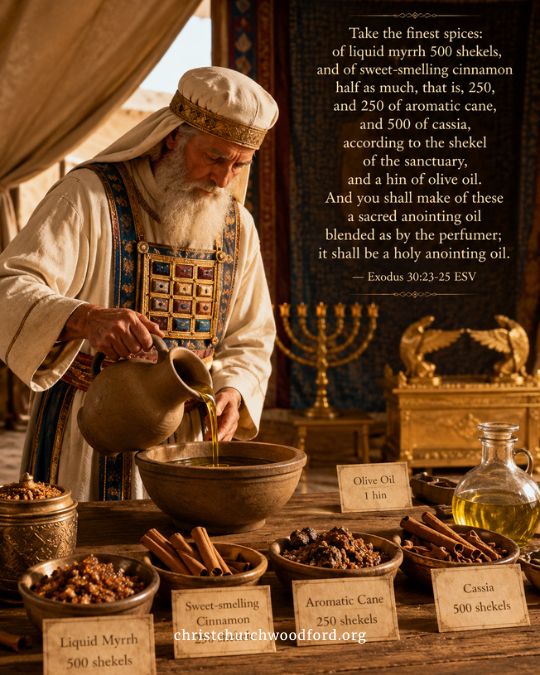
Take the finest spices: of liquid myrrh 500 shekels, and of sweet-smelling cinnamon half as much, that is, 250, and 250 of aromatic cane, and 500 of cassia, according to the shekel of the sanctuary, and a hin of olive oil. And you shall make of these a sacred anointing oil blended as by the perfumer; it shall be a holy anointing oil. — Exodus 30:23-25 ESV
God took the consecration of His priests so seriously that He gave specific instructions for the anointing oil’s ingredients. It wasn’t to be used for anything common or ordinary. It marked the boundary between the sacred and the everyday.
Anointing Kings, Priests, and Prophets
In the Old Testament, kings, priests, and prophets were anointed with oil as an outward sign of God’s inward calling and empowerment.
Oil and anointing in Scripture marked the beginning of every king’s reign in Israel. Saul, David, Solomon — each was anointed, signifying that their authority came from God, not from themselves. They ruled as God’s representatives, accountable to Him.
Then Samuel took the horn of oil and anointed him in the midst of his brothers. And the Spirit of the LORD rushed upon David from that day forward. — 1 Samuel 16:13 ESV
Notice the connection: the oil was poured, and the Spirit came. The physical anointing symbolized the spiritual reality of God’s presence resting on David. The anointing also carried a warning: God could remove His Spirit from those who turned away from Him, as He did with Saul. The oil reminded kings that leadership was not about power, but about submission to God’s purposes.
Oil as a Symbol of the Holy Spirit
The anointing oil meaning in the Bible is fundamentally about God setting someone apart and equipping them for His purposes.
The oil itself didn’t contain power — it represented the Holy Spirit coming upon that person to enable them for their sacred task. Just as oil enabled lamps to give light, the Holy Spirit enables God’s people to shine with His truth and power.
The Holy Spirit Gives Power and Wisdom
When Saul was anointed king, the Spirit came upon him and he prophesied. When David was anointed, he received wisdom and courage to lead Israel. When Jesus was anointed — not with physical oil, but with the Holy Spirit at His baptism — He began His public ministry with power to heal, teach, and defeat darkness.
The Spirit of the Lord GOD is upon me, because the LORD has anointed me to bring good news to the poor; he has sent me to bind up the brokenhearted, to proclaim liberty to the captives, and the opening of the prison to those who are bound. — Isaiah 61:1 ESV
Jesus quoted this passage in the synagogue, declaring it fulfilled in Him. The Holy Spirit anointing wasn’t just symbolic — it was the source of His ministry’s power.

God anointed Jesus of Nazareth with the Holy Spirit and with power. He went about doing good and healing all who were oppressed by the devil, for God was with him. — Acts 10:38 ESV
This is the pattern throughout Scripture: where oil is poured, the Spirit comes. Where the Spirit comes, there is power for God’s work.
Jesus as the ‘Anointed One’
All of this points us to Jesus.
The title ‘Christ’ means ‘the Anointed One’ — the Greek translation of the Hebrew word ‘Messiah.’ Jesus is the fulfillment of every anointing in the Old Testament. He is the ultimate Prophet, Priest, and King, anointed not with physical oil but with the fullness of the Holy Spirit. Every king, every priest, every prophet who was anointed in the Old Testament was a foreshadowing of the One who would come — fully consecrated, fully empowered, perfectly obedient to the Father.
The anointing oil in the Bible finds its ultimate meaning in Jesus. He is the Anointed One through whom we receive the Spirit.
Oil and Spiritual Renewal
Oil also represents the Holy Spirit’s work of refreshing and renewing God’s people. Just as oil soothes and softens dry skin, the Spirit brings life to dry, weary souls.
The psalmist writes of God renewing his strength and anointing his head with oil — language that points to the Spirit’s restoring work in our lives.
We see this spiritual significance of olive oil throughout Scripture: it’s the image of God pouring out His presence to revive, restore, and empower His people for the journey ahead.
Oil as a Symbol of Healing
The connection between oil and healing in the Bible is both physical and spiritual. Scripture shows us that God cares about the wholeness of His people — body and soul.
Oil Used for Physical Healing
In the ancient world, healing oil in the Bible was a common medical treatment. Olive oil soothed wounds, softened skin, and provided comfort to the sick.
When Jesus told the parable of the Good Samaritan, the Samaritan poured oil and wine on the injured man’s wounds — a natural and expected response.
The oil wasn’t magical; it was medicinal. God designed creation with natural means of healing, and oil was one of them.
Prayer and Anointing the Sick
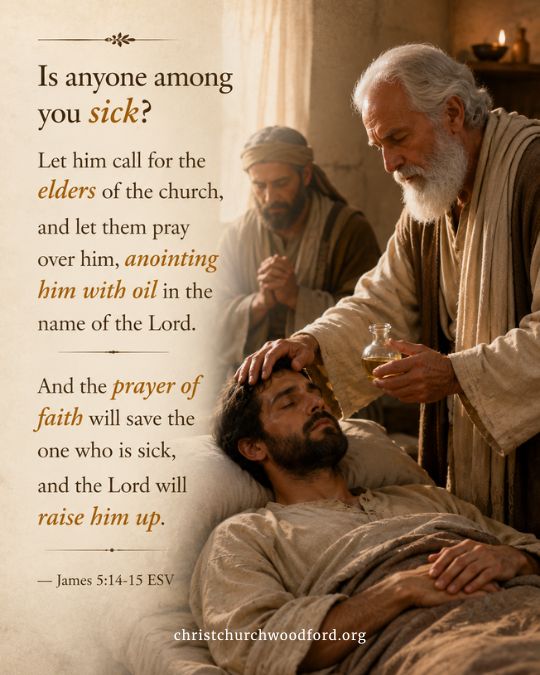
But oil and healing symbolism goes deeper than physical treatment. In the New Testament, the church is instructed to anoint the sick with oil while praying for them.
Is anyone among you sick? Let him call for the elders of the church, and let them pray over him, anointing him with oil in the name of the Lord. And the prayer of faith will save the one who is sick, and the Lord will raise him up.— James 5:14-15 ESV
This practice continues in many churches today. The oil represents the Holy Spirit’s healing power, and the anointing is an act of faith. It acknowledges that true healing comes from God. The oil itself doesn’t heal — God does. But the oil is a tangible expression of trust in God’s ability to restore.
Spiritual Restoration
Beyond physical illness, oil points to God’s power to heal broken hearts and restore wounded souls. The prophets spoke of God binding up the brokenhearted and pouring out the oil of gladness in place of mourning.
I’ve seen this in my own life and in the lives of people in our church — this is spiritual healing, the deep work of God’s Spirit bringing wholeness where there has been pain, light where there has been darkness, and hope where there has been despair.
Oil as a Symbol of Joy, Blessing, and Abundance
Oil in Scripture is often connected with celebration, gladness, and God’s generous provision. It’s a sign that God is blessing His people and that they have reason to rejoice.
Oil and Celebration
In biblical culture, anointing a guest’s head with oil was an act of honor and hospitality. At feasts and celebrations, people applied fragrant oil to mark the occasion with joy. To withhold oil was a sign of mourning or judgment; to pour it freely was a sign of abundance and favor.
Oil as a sign of joy in the Bible appears in contexts of worship, thanksgiving, and communal celebration.
The ‘Oil of Gladness’
The prophets used oil as a metaphor for joy replacing sorrow. Isaiah speaks of God giving ‘the oil of gladness instead of mourning’ — one of my favorite images in all of Scripture. It’s a beautiful picture of God’s power to turn our grief into celebration. The Psalms echo this imagery, praising God for anointing His people with oil and making their cup overflow.
To grant to those who mourn in Zion— to give them a beautiful headdress instead of ashes, the oil of gladness instead of mourning, the garment of praise instead of a faint spirit. — Isaiah 61:3 ESV
This is the heart of the gospel: God takes what is broken and makes it beautiful. He replaces our ashes with beauty, our mourning with joy.
Overflowing Oil as God’s Provision
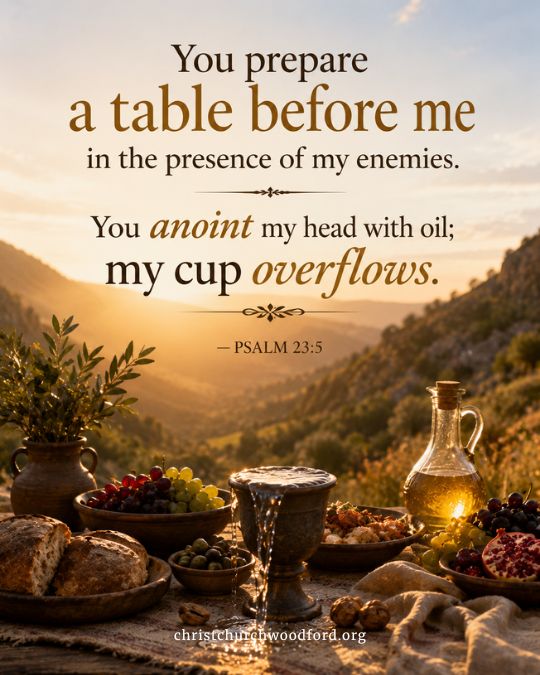
Oil and blessing in Scripture often appear together. The famous image from Psalm 23:5 — ‘You anoint my head with oil; my cup overflows’ — speaks of God’s lavish care for His people. The widow’s oil miracle in 2 Kings shows God multiplying oil to provide for those in need.
Overflowing oil symbolizes more than enough — not just survival, but abundance. It’s a picture of God’s generous heart toward His children.
The Parable of the Ten Virgins and the Meaning of Oil
One of Jesus’ most striking teachings involving oil is the parable of the wise and foolish virgins.
Why the Oil Mattered
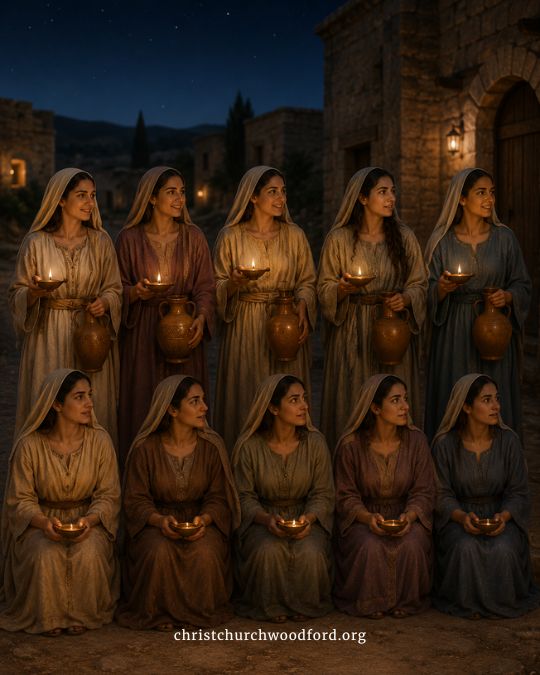
In Matthew 25, Jesus tells the parable of ten virgins waiting for the bridegroom. All of them carry lamps, but only five bring extra oil. When the bridegroom delays, the foolish virgins run out of oil and miss his arrival.
Then the Kingdom of Heaven will be like ten bridesmaids who took their lamps and went to meet the bridegroom. Five of them were foolish, and five were wise. The five who were foolish didn’t take enough olive oil for their lamps. — Matthew 25:1-3 NLT
The lamps and oil parable meaning is about spiritual readiness. The wise virgins prepared ahead of time, while the foolish assumed they had more time.
Oil as Spiritual Preparedness
The wise and foolish virgins oil meaning points to genuine faith sustained by the Holy Spirit. Throughout Scripture, oil often symbolizes God’s presence and spiritual life. Just as oil kept the lamps burning, the Holy Spirit keeps believers faithful while they wait for Christ.
Jesus warns that outward appearance is not enough. The foolish virgins had lamps, but they lacked lasting oil.
A Warning About Borrowed Faith
What always stands out to me in this parable is that the oil could not be borrowed. No one can depend on another person’s relationship with God. Spiritual readiness cannot be inherited from family, borrowed from friends, or delayed until later.
Jesus calls His followers to remain spiritually awake — to keep their lamps burning through prayer, obedience, and faithfulness. The parable is both a warning and an invitation: stay ready, because the Bridegroom will come when many least expect Him.
And when He comes, those who are prepared will enter into joy with Him.
Common Questions About Oil Symbolism in the Bible
What are the five oils mentioned in the Bible?
The Bible primarily mentions olive oil, which was used for anointing, cooking, lamps, and worship. The “five oils” likely refers to the five ingredients in the holy anointing oil recipe from Exodus 30:23-25: myrrh, cinnamon, aromatic cane (calamus), cassia, and olive oil as the base. These were blended to create the sacred anointing oil used exclusively for consecrating priests and worship objects.
Does the Bible ever mention oil?
Yes, frequently. Oil appears throughout Scripture in hundreds of verses, from Genesis to Revelation.
Which Scripture talks about oil?
Many Scriptures mention oil. Key passages include: Exodus 30:23-25 (holy anointing oil recipe), 1 Samuel 16:13 (David’s anointing), Psalm 23:5 (anointing with oil), Isaiah 61:3 (oil of gladness), Matthew 25:1-13 (parable of ten virgins), James 5:14 (anointing the sick), and Acts 10:38 (Jesus anointed with the Holy Spirit).
You have loved righteousness and hated wickedness. Therefore God, your God, has anointed you with the oil of gladness beyond your companions. — Psalm 45:7 ESV
What are the 12 oils of the Bible?
The “12 oils” isn’t a specific biblical list, but refers to various oils and fragrant substances mentioned in Scripture: olive oil (primary), myrrh, frankincense, cinnamon, cassia, calamus (aromatic cane), spikenard, aloes, hyssop, cedarwood, cypress, and galbanum. Most of these appear in anointing oil recipes, incense, burial preparations, or worship contexts. Olive oil remains the most significant throughout biblical history.
Why was olive oil used in the Bible?
Olive oil in biblical times was the most abundant and valuable oil in Israel. It was used for food, light, medicine, and worship. The olive tree itself symbolized peace and longevity, making its oil especially significant.
What is the difference between oil and anointing oil?
Anointing oil was specially blended with spices according to God’s instructions in Exodus 30 and set apart exclusively for sacred purposes. Regular olive oil was used for cooking and daily life, while holy anointing oil was reserved for consecrating priests, kings, and worship objects.
Is anointing with oil still practiced today?
Yes. Many churches practice anointing the sick with oil during prayer, following James 5:14. Some churches also anoint people being set apart for ministry or leadership. The oil symbolizes the Holy Spirit’s work and the church’s faith in God’s power to heal and bless.
Final Reflection: What Oil Symbolism Teaches Us About God
I love how oil runs through Scripture like a golden thread, and everywhere it appears, it points us back to God. It speaks of His presence dwelling among His people, His Spirit empowering them for the work He’s called them to. It reminds us that God heals — not just bodies, but hearts and souls. It shows us that He is generous, pouring out joy and blessing even in hard seasons.
The oil symbolism in the Bible ultimately leads us to Jesus, the Anointed One. Every priest, prophet, and king anointed in the Old Testament pointed ahead to Him — perfectly filled with the Spirit, perfectly obedient to the Father, opening the way for us to be anointed too. Because of Christ, we receive the Holy Spirit. Because of Him, we experience God’s healing, His joy, His presence in our daily lives.
So when you read about oil in Scripture, let it remind you: God is near. He equips those He calls. He heals what is broken. He turns mourning into dancing. And He invites you to live filled with His Spirit, ready for the day when Christ returns and every lamp burns bright in His presence.