Is It a Sin to Get a Tattoo?

A Biblical and Pastoral Perspective
Few topics spark more debate among Christians than the question of tattoos. Walk into almost any church and you will find sincere believers on both sides — some who see tattoos as a clear violation of Scripture and others who view them as a matter of personal freedom in Christ. Both sides claim to honour God. Both sides can point to Bible verses. So where does the truth lie?
As a pastor, I believe we owe it to our congregation to handle this question the way Jesus would — not with knee-jerk legalism and not with careless permissiveness, but with careful attention to Scripture, sensitivity to context, and a deep awareness that God is far more interested in what is written on our hearts than what is written on our skin.
“The Lord does not look at the things people look at. People look at the outward appearance, but the Lord looks at the heart.” — 1 Samuel 16:7
What Does the Bible Actually Say?
The verse most commonly cited in this discussion is Leviticus 19:28, which reads:
“You shall not make any cuts on your body for the dead or tattoo yourselves: I am the Lord.” — Leviticus 19:28
At first glance, this seems definitive. God said it. Case closed. But responsible Bible study requires us to ask not only what a verse says but what it meant to its original audience and how it fits within the broader sweep of Scripture.
Leviticus 19:28 was given to the nation of Israel as part of the Mosaic Law — a set of commands designed to distinguish Israel from the pagan nations surrounding them. The specific context of this verse is pagan mourning rituals. The Canaanites and other neighbouring peoples would cut their skin and mark their bodies as acts of devotion to false gods and as part of rituals for the dead.
God was telling His people: do not participate in these practices. Do not identify with their gods. You belong to Me.
This is critical context because the very next verse, Leviticus 19:27, says:
“You shall not round off the hair on your temples or mar the edges of your beard.”
Most Christians today do not consider a clean shave sinful, yet they sit in the same passage. If we are going to hold verse 28 as a universal, timeless moral command, we must be consistent with verse 27 as well. We cannot pick up the tattoo prohibition and walk past the grooming prohibition without acknowledging that both were cultural and ceremonial regulations for ancient Israel.
The New Covenant Changes the Framework
One of the most important theological realities for Christians is that we live under the New Covenant, not the Old. Jesus Himself declared this at the Last Supper:
“This cup that is poured out for you is the new covenant in my blood.” — Luke 22:20
The Apostle Paul spent significant portions of his letters — particularly Romans, Galatians, and Hebrews — explaining that the ceremonial and cultural regulations of the Mosaic Law have been fulfilled in Christ. This does not mean we throw out the Old Testament. The moral principles behind the Law still stand. But the specific ceremonial applications — dietary restrictions, clothing regulations, grooming laws, and yes, the prohibition on markings associated with pagan worship — have been fulfilled.
Paul writes in Galatians 5:1:
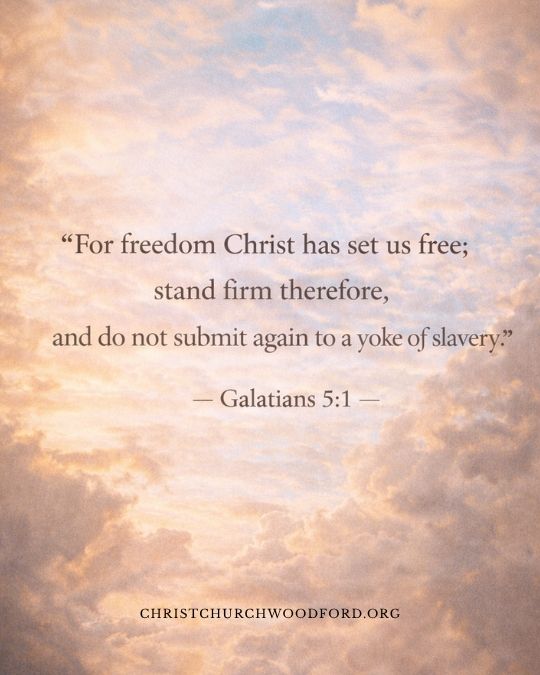
“For freedom Christ has set us free; stand firm therefore, and do not submit again to a yoke of slavery.” — Galatians 5:1
This freedom does not mean we can do whatever we want. But it does mean that the question is no longer “Does this violate a ceremonial regulation?” but rather “Does this honour God? Does this reflect the character of Christ in me?”
The Real Question: What Is in Your Heart?
The New Testament consistently redirects our attention from outward appearance to inward reality.
When the Pharisees obsessed over external observance, Jesus rebuked them with some of the strongest language found anywhere in Scripture:
“Woe to you, scribes and Pharisees, hypocrites! For you are like whitewashed tombs, which outwardly appear beautiful, but within are full of dead people’s bones and all uncleanness.” — Matthew 23:27
Jesus was making a point that still echoes today: outward conformity means nothing if the heart is not right. A person without a single tattoo can harbour bitterness, pride, and rebellion against God. A person with a sleeve of ink can have a heart that burns with love for Christ and compassion for others. The ink is not the issue. The heart is.
Paul reinforces this principle in 1 Corinthians 10:31:
“So, whether you eat or drink, or whatever you do, do all to the glory of God.” — 1 Corinthians 10:31
The “whatever you do” in that verse covers every decision we make — including the decision to get a tattoo or not. The guiding principle is not a checklist of permitted and forbidden activities. It is a relationship with God in which we constantly ask, “Lord, does this honour You?”

Your Body as a Temple: Stewardship, Not Legalism
Another verse frequently brought into this conversation is 1 Corinthians 6:19–20:
“Or do you not know that your body is a temple of the Holy Spirit within you, whom you have from God? You are not your own, for you were bought with a price. So glorify God in your body.” — 1 Corinthians 6:19–20
This is a powerful truth. Our bodies belong to God. We are stewards, not owners. But the context of this passage is crucial — Paul was addressing sexual immorality in the Corinthian church, not tattoos or body art. To extend this verse to a blanket prohibition on tattoos would be to stretch it beyond its intended meaning.
That said, the principle of stewardship is valuable here. If our bodies are temples, then what we do with them matters. But stewardship is not the same as preservation in amber. We cut our hair, we exercise, we undergo medical procedures, we wear jewellery. The question is not whether we alter our appearance — we all do — but whether our choices reflect a heart that honours the God who made us.
This is the same stewardship principle that applies to how we treat our bodies in other areas too — whether that’s what we eat, what we drink, or habits like smoking that can harm the body God entrusted to us. The thread that runs through all of these decisions is the same: am I honouring God with what He has given me?
Honouring Love: Memorial Tattoos and Meaningful Markings
Some of the most meaningful tattoos I have encountered are those that honour a loved one. A mother who carries her child’s name on her wrist. A son who bears his late father’s handwriting on his forearm. A family who marks a shared date to commemorate a life well lived. Are these sinful? I cannot see how.
Honouring your father and mother is one of the Ten Commandments (Exodus 20:12). Children are described as “a heritage from the Lord” (Psalm 127:3). The desire to carry the memory of someone you love is not idolatry — it is love. And love is the very thing God commands above all else.
Even the impulse to memorialise a beloved pet — an animal that brought companionship and comfort — reflects something good. Scripture tells us, “A righteous man regards the life of his animal” (Proverbs 12:10). God made these creatures. Honouring their memory does not dishonour their Creator.
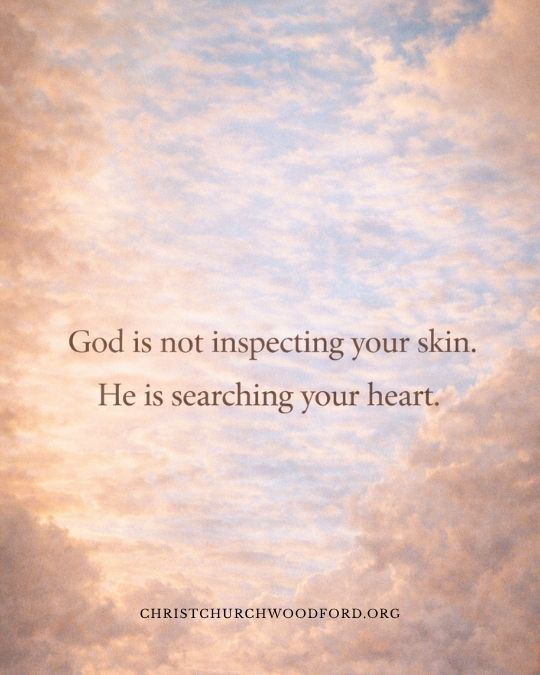
The key, as always, is the heart behind the action. A tattoo of a cross is not inherently more righteous than a tattoo of a flower. And a tattoo-free body is not inherently holier than one covered in ink. God is not inspecting your skin. He is searching your heart.
Listening to Other Voices in the Church
Within the wider Christian community, views on this topic vary considerably. Some believers hold firmly that Leviticus 19:28 applies universally and that any tattoo — regardless of content or motivation — is a violation of God’s command. They argue that we should not add conditions to God’s instructions or decide for ourselves which Old Testament laws apply and which do not. This is a sincere and well-intentioned position, and it deserves respect even where we may disagree.
Others take the contextual approach, recognising that the Leviticus prohibition was specifically tied to pagan ritual practices and that the New Covenant has fulfilled these ceremonial regulations. They point to Romans 14 as the guiding framework for issues where Scripture does not give a definitive New Testament command — what we often call “conscience issues” or “disputable matters.”
Still others raise the practical concern: tattoos are permanent, and decisions made in haste can lead to regret. Proverbs 21:5 reminds us:
“The plans of the diligent lead surely to abundance, but everyone who is hasty comes only to want.”
This is wisdom worth heeding, regardless of where you stand on the theological question.
What I find encouraging is that across all these perspectives, nearly every thoughtful Christian voice lands on the same conclusion: God looks at the heart. The external debate fades in significance when we stand before a God who sees past skin and ink to the soul within.
Our Pastoral Position: Grace Over Legalism
At Christ Church Woodford, we do not tell people what they should or should not do with their bodies. That is not our role. We are not the Holy Spirit in anyone’s life. Our role is to teach the principles of Scripture, to point people to Christ, and to trust that God is at work in each person’s heart to guide, convict, and transform.
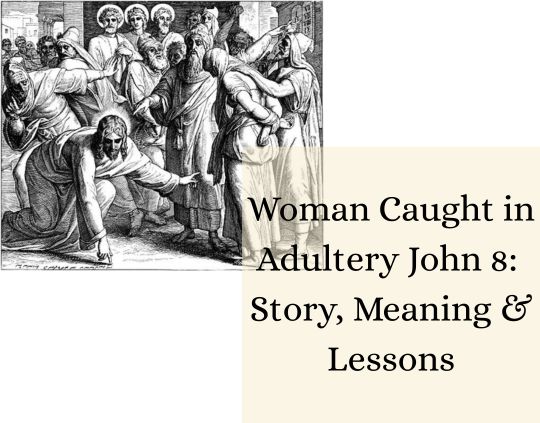
Jesus said to the woman caught in adultery — a sin far more serious than any tattoo —
“Neither do I condemn you; go, and from now on sin no more” – John 8:11
If Jesus did not condemn her, are we going to stand in condemnation of someone who has chosen to mark their body?
God has never asked us to be the appearance police. He has asked us to love, to serve, to proclaim the good news, and to make disciples.
The Apostle Paul settles this kind of debate beautifully in Romans 14:
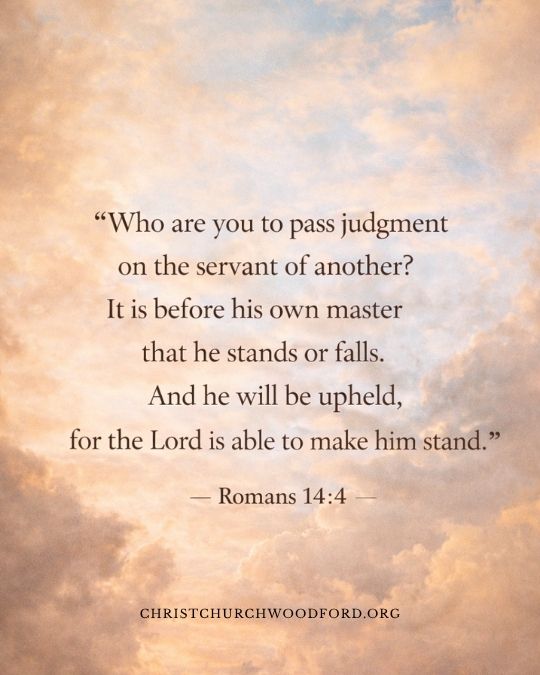
“Who are you to pass judgment on the servant of another? It is before his own master that he stands or falls. And he will be upheld, for the Lord is able to make him stand.” — Romans 14:4
And again:
“But whoever has doubts is condemned if he eats, because the eating is not from faith. For whatever does not proceed from faith is sin.” — Romans 14:23
This is the principle: if your conscience is clear before God, if you have prayed about it, if your motivation honours Him, there is freedom. But if there is doubt in your heart, do not proceed. The peace of God is always the compass.
Final Thoughts
Getting a tattoo is not inherently sinful. The Bible does not provide a universal, timeless prohibition against body art for New Covenant believers. What the Bible does provide — consistently, emphatically, and beautifully — is a call to examine our hearts, to steward our bodies wisely, to live in the freedom Christ has purchased for us, and to do everything for the glory of God.
Whether you have tattoos or not, whether you choose to get one or choose not to, the ground at the foot of the cross is level. What matters is not the ink on your skin but the faith in your heart, the love in your actions, and the Christ you follow.
Because at the end of the day, God is not counting your tattoos. He is counting on your faithfulness.
“For by grace you have been saved through faith. And this is not your own doing; it is the gift of God, not a result of works, so that no one may boast.” — Ephesians 2:8–9



Lovely just what I was looking for.