What Does Hosanna Mean in the Bible? A Biblical Explanation

“Hosanna!” is one of the most recognizable words in Christian worship. We sing it. Children wave palm branches and shout it every Palm Sunday. Most of us have grown up hearing it treated like another way of saying, “Praise the Lord.” But here’s something that surprises many Christians: Hosanna wasn’t originally a word of praise at all. It was a cry for help.
So, what does Hosanna mean in the Bible? The word comes from a Hebrew expression that means “save us” or “please save.” It was a desperate plea for God’s deliverance long before it became a joyful cry of worship.
In this article, we’ll explore the original Hebrew meaning of Hosanna, how it came to be associated with praise, why the crowds in Jerusalem shouted it to Jesus during His triumphal entry, and what it means for Christians today. By the end, I think you’ll never sing “Hosanna” the same way again.
What Does Hosanna Mean in the Bible?
The word Hosanna comes from the Hebrew phrase hoshia na, which literally means “save us,” “please save,” or “save now.”
At its heart, the meaning of Hosanna is a heartfelt plea for God’s deliverance. It’s not a statement of praise but a cry for help. Someone shouting “Hosanna” isn’t simply declaring something about God—they’re urgently asking Him to act.
That’s a big shift from how most of us use the word today. We often say “Hosanna” the way we’d say “Hallelujah”—as an expression of joyful worship. But in its original biblical context, the cry was much closer to someone calling out, “Lord, help!” in a moment of desperation.
The phrase comes straight from the Psalms, specifically Psalm 118, one of the best-known psalms among the Jewish people in Jesus’ day. It was part of the Hallel (Psalms 113–118), a collection of songs traditionally sung during major festivals, especially Passover. So when the crowds later shouted “Hosanna” to Jesus, they weren’t inventing a new expression. They were quoting words of Scripture they had sung their whole lives.
Interestingly, the Gospel writers preserved the Hebrew word Hosanna rather than translating it into Greek. By the time Jesus entered Jerusalem, the expression had become so familiar and so deeply connected with Israel’s hope for God’s salvation that it was recognized as a powerful cry in its own right.
Where Does Hosanna First Appear in Scripture?
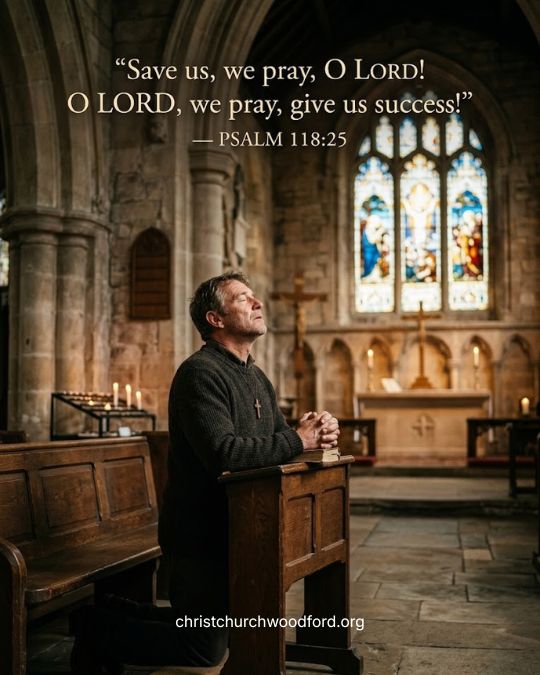
The word shows up in Psalm 118:25:
“Save us, we pray, O LORD! O LORD, we pray, give us success!” — Psalm 118:25
This psalm was part of what’s known as the Hallel—a collection of Psalms (113–118) that pilgrims sang together on their way to Jerusalem for the great festivals.
Picture it: dusty roads, crowds walking toward the temple, voices rising in unison as they approached the city. Psalm 118 was one of the last songs in that collection, and over time it became closely associated with Israel’s hope for the coming Messiah. The people singing it weren’t just being religious—they were longing for God to send deliverance, to send the King He had promised.
So by the time Jesus rode into Jerusalem, “Hosanna” already carried deep meaning. It wasn’t a spontaneous phrase the crowd made up on the spot. They were quoting Scripture they had sung for generations—a cry filled with centuries of hope and longing.
Why Did the Crowd Shout “Hosanna” to Jesus?
This brings us to the moment most of us picture when we hear the word—Jesus’ triumphal entry into Jerusalem.
“Hosanna to the Son of David! Blessed is he who comes in the name of the Lord! Hosanna in the highest heaven!” — Matthew 21:9
All four Gospels record this remarkable event. Mark and John describe similar scenes. In Mark 11:9–10, the crowd cries, “Hosanna,” along with, “Blessed is the coming kingdom of our father David.”
In John 12:13, the people take palm branches and go out to meet Jesus, shouting the same cry.
So why were they shouting “Hosanna”? Because they believed Jesus was the long-awaited Messiah. By crying “Hosanna,” they were asking Him to bring the salvation they had been waiting for. They recognized Him as the Son of David—the promised King—and hoped He would rescue Israel.
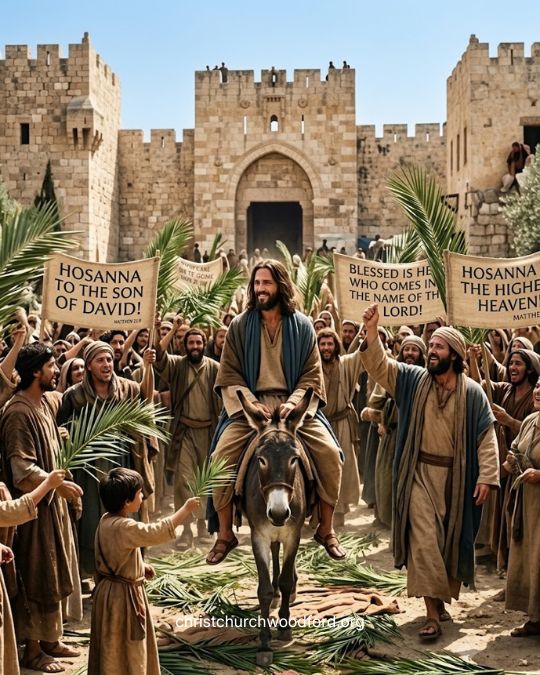
Here’s what makes this moment so significant: the crowd wasn’t inventing a new slogan. They were deliberately quoting Psalm 118, a passage associated with God’s coming salvation. Their words were both a confession of faith and a desperate plea: “You are the promised King—now save us.”
But here’s where it gets complicated—and honestly, this is one of the most human parts of the whole story.
Many in that crowd expected a political and military deliverance. They wanted a King who would overthrow Rome, restore the nation, and set things right by force. Their cry of “save us” was aimed at that kind of salvation. What they didn’t yet understand was that God’s plan for salvation was far greater than they imagined.
Jesus rode into that same city knowing He had come to save them from something far deeper than Rome. He had come to save them from sin. The crowd was crying “Hosanna” for one kind of rescue, and Jesus was walking toward the cross to provide another. Within days, many in Jerusalem would be shouting, “Crucify him!” instead. That’s how great the gap was between the salvation they expected and the salvation He came to give. i think i keep this
Was Hosanna a Prayer or a Praise?
I get asked this a lot, and it’s a great question because the honest answer is: both—but not at the same time.
Originally, Hosanna was a prayer. It was a heartfelt plea for God’s help, taken directly from Psalm 118. When people cried, “Hosanna,” they were asking God to save them. It was a cry for deliverance, not an expression of praise.
Over time, however, the word took on a second layer of meaning. As Jesus fulfilled God’s promise of salvation, Hosanna became more than a plea—it also became a joyful expression of worship. Christians began using it to celebrate the Savior who had answered that ancient cry.
Think of it like this. Imagine someone crying out, “Help me!” as they’re drowning. Then, once they’ve been pulled safely from the water, they look at their rescuer and say, “Thank God!” The first cry comes from desperate need; the second comes from grateful joy. That’s very similar to what happened with Hosanna. The original plea for salvation eventually became a joyful proclamation that God had provided that salvation through Jesus Christ.
Hosanna vs Hallelujah: What’s the Difference?
These two words get mixed up all the time, and it’s easy to see why. They both appear in Christian worship, they both sound joyful, and they’re both Hebrew words that have been carried into English rather than translated. But while they’re closely connected, they don’t mean the same thing.
| Hosanna | Hallelujah |
|---|---|
| “Save us” or “Save now” | “Praise the Lord” |
| A cry for salvation | An expression of praise |
| A plea or request | A declaration of thanksgiving |
| Looks forward to God’s deliverance | Celebrates what God has done |
Hosanna looks forward—it’s asking God to save. Hallelujah looks back—it’s praising God for His faithfulness and salvation. One is a cry for help; the other is a song of thanksgiving.
Knowing this difference changes how you read the story of Palm Sunday. The crowd wasn’t simply celebrating Jesus as He entered Jerusalem. They were crying out for Him to save them, believing He was the promised Messiah. In that moment, Hosanna was both a prayer for salvation and an expression of hope that God’s promised King had finally come.
If you’d like to explore this further, we’ve also written a complete guide to the meaning of Hallelujah in the Bible.
What Does Hosanna Mean for Christians Today?
So why does any of this matter for us now, centuries later?
Because we’re still in the same position the crowd was in. We still need saving. Jesus still saves—not from Rome or a political system, but from sin, death, and everything that separates us from God. When we sing “Hosanna” today, we’re not just repeating a historical phrase from a Bible story. We’re echoing the same cry that rang out on the road to Jerusalem: “Lord, save us.”
The difference is that we say those words from the other side of the resurrection. We know how the story ends. Salvation didn’t come through the kind of rescue the crowd expected—it came through a cross and an empty tomb.
So when we cry “Hosanna” today, the word carries both meanings at once. It’s still a plea because we depend on Christ every day, and it’s still praise because we know He has already answered that plea through His death and resurrection.
There’s another beautiful truth in the word as well. When the crowd cried, “Hosanna to the Son of David,” they weren’t only asking Jesus to save them—they were recognizing Him as their rightful King. Every time we sing “Hosanna,” we’re proclaiming those same two truths: Jesus is our Savior, and Jesus is our King. He rescues us, and He reigns forever.
Common Misunderstandings About Hosanna
A few things worth clearing up, because I hear these mix-ups often.
“Hosanna only means praise.”
Not originally. In the Bible, Hosanna began as a plea for salvation, taken directly from Psalm 118. Over time, it also became an expression of joyful praise because Jesus fulfilled that cry for salvation.
“Hosanna is another name for Jesus.”
No. Hosanna isn’t a title for Jesus. It’s a cry directed to Him, asking Him to save.
“Hosanna is only for Palm Sunday.”
Palm Sunday is where most Christians encounter the word, but its message is timeless. Every believer can cry, “Hosanna,” as a prayer for Christ’s saving grace and worship Him as the Savior who has already answered that prayer.
“Hosanna promises earthly victory.”
Many people in Jerusalem expected Jesus to overthrow Rome and restore Israel’s political kingdom. Instead, He came to accomplish something far greater—salvation from sin through His death and resurrection. Hosanna points us to God’s eternal salvation, not a guarantee of earthly success.
The Lasting Meaning of Hosanna
Hosanna reminds us of something simple but easy to forget: Jesus is both Savior and King. He is the One we cry out to when we’re desperate, and He is the One we praise once we realize He has already come to rescue us.
Every time we sing “Hosanna” in church, wave a palm branch, or read the Palm Sunday story again, we’re proclaiming the same truth that was first cried out on a dusty road outside Jerusalem two thousand years ago:
Lord, save us.
Frequently Asked Questions
Can I name my daughter Hosanna?
Yes. Many Christian parents choose the name Hosanna because it reflects a beautiful biblical truth. The word means “save us” or “please save” and is closely associated with Jesus’ triumphal entry into Jerusalem. While the Bible doesn’t specifically encourage or discourage using it as a personal name, many believers appreciate its reminder of God’s salvation and Christ’s kingship.
What does Hosanna mean in love?
The Bible doesn’t use Hosanna to describe romantic love. Instead, it is a cry for salvation directed to God. In a Christian sense, the word reflects our dependence on God’s love and mercy, expressing our need for Jesus to save and restore us rather than referring to human relationships.
Is Hosanna the same as Hallelujah?
No. Although both are Hebrew words used in Christian worship, they have different meanings. Hosanna means “save us” or “save now” and is a plea for God’s salvation, while Hallelujah means “Praise the Lord” and is an expression of worship and thanksgiving.
Why do Christians still sing “Hosanna” today?
Christians continue to sing Hosanna because Jesus is still the Savior who answers our deepest need. The word reminds believers of Christ’s triumphal entry, His death and resurrection, and our ongoing dependence on Him for salvation, grace, and hope.
What does “Hosanna in the highest” mean?
The phrase “Hosanna in the highest” is a joyful cry asking for God’s saving power while giving Him the highest honor. It expresses both a plea for salvation and praise to God, recognizing Jesus as the promised Messiah and King.