What Is God’s Mercy? Meaning, Examples, and Bible Verses

Everyone needs mercy. We all make mistakes, fall short, and stumble along the way. Some of us carry deep regrets. Others bear the weight of repeated failures. The good news of Scripture is simple but profound: God is merciful.
Throughout the Bible, from Genesis to Revelation, we see a God who reaches toward broken people with compassion rather than condemnation. This isn’t the God of distant judgment alone—He is the God of mercy, who chooses to withhold the punishment we deserve and offers us forgiveness instead.
In this article, we’ll explore what God’s mercy really means, trace it through Scripture, see how Jesus embodied it perfectly, and discover what it means for us today. Understanding God’s mercy doesn’t just change our theology—it changes our lives.
What Is God’s Mercy?
Biblical Definition of Mercy
Let’s start with a clear definition. Mercy means compassion shown to someone in need. More precisely, mercy is withholding deserved judgment. Think of it this way: a guilty criminal stands before a judge. The judge has every right to impose the full penalty. But mercy intervenes. The judge chooses not to give what the law demands. That’s mercy.
This is different from grace, and the distinction matters. Mercy says, “You don’t get what you deserve.” Grace says, “You get what you don’t deserve.” A criminal pardoned after conviction receives mercy. A criminal welcomed into the king’s own family receives grace. Both are gifts. Both reveal the heart of God.
The Language of Mercy
The Bible uses rich words to describe mercy.
In Hebrew, the word hesed captures both tender compassion and loyal covenant commitment—lovingkindness that keeps its promises.
Another Hebrew word, rachamim, comes from the root word for womb, suggesting the deep, visceral compassion a mother feels for her child. In Greek, the New Testament uses eleos for mercy and compassion.
These words tell us something essential: God’s mercy isn’t cold detachment. It’s warm, feeling, compassionate, bound up with his faithful love.
Why Is God’s Mercy So Important?
Humanity’s Need for Mercy
Mercy matters because we all need it.
Sin separates us from God. That’s not a church slogan—it’s the honest diagnosis Scripture gives. We all fall short.
We all turn from what we know to be true. We all, at some point, choose ourselves over God’s way. And that separation has a consequence. But here’s where God’s mercy changes everything: no one can save themselves from that separation. We can’t earn our way back to God through good works. We can’t impress Him into overlooking our failure. We stand in need of mercy—pure, unearned compassion from someone with power we don’t have.
Scripture is blunt about this. Paul writes:
“All have sinned and fall short of the glory of God.” – Romans 3:23
And then:
“The wages of sin is death, but the gift of God is eternal life in Christ Jesus our Lord.” – Romans 6:23
Mercy Reveals God’s Character
God is not occasionally merciful. He is essentially merciful. One of the most important verses in all of Scripture reveals God’s actual character. After Moses asked to know His name, God proclaimed His identity:
“The Lord, the Lord, a God merciful and gracious, slow to anger, and abounding in steadfast love and faithfulness.” – Exodus 34:6
This is God’s self-disclosure. When God tells us who He is, mercy appears first—not anger, not judgment, but mercy. This verse echoes throughout the Old Testament because Israel needed to remember: God is slow to anger. His steadfast love endures. His compassion comes before judgment. His nature is to forgive those who turn to Him.
Examples of God’s Mercy in the Old Testament
God’s mercy doesn’t appear only in theory. It runs through the actual history of Scripture. Let’s trace it.
God’s Mercy Toward Adam and Eve
In the garden, Adam and Eve rebelled. They ate from the tree God explicitly forbade. They broke covenant with their Creator. The consequence was death—literal separation from God. But look what God did immediately after their sin: He clothed them. He made garments of skin and covered them.
Before judgment fell, He provided covering. And more—He promised a coming Redeemer, saying to the serpent:
“He shall bruise your head, and you shall bruise his heel.” – Genesis 3:15
Even in judgment, mercy appeared. God provided a way forward when Adam and Eve deserved only exile. That’s the pattern of mercy: it appears immediately after our worst failures.
God’s Mercy Toward Noah
Centuries later, humanity had become deeply wicked. God saw the corruption and brought judgment through the flood. But notice: before the flood came, God extended mercy. He warned Noah. He gave time for repentance. And when judgment fell, He provided a way of salvation.

Noah and his family were preserved in the ark. Justice and mercy worked together. God’s judgment was real, but His mercy ensured that life continued and that those who listened to His warning were saved.
God’s Mercy Toward Israel
Israel’s history is a stunning display of God’s mercy.
After being freed from slavery, the people rebelled again and again. They built a golden calf at Sinai. They grumbled in the wilderness. They refused to enter the promised land.
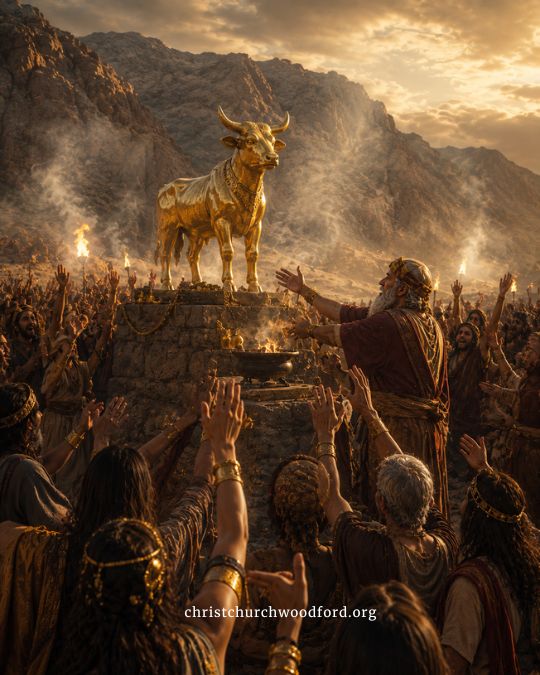
By all rights, God should have abandoned them. Instead, He forgave them. He preserved them. He kept His covenant even when they broke theirs.
The Psalmist captured this reality:
“The Lord is merciful and gracious, slow to anger and abounding in steadfast love.” – Psalm 103:8
God’s Mercy Toward David
Even a great king like David fell into grave sin. He took another man’s wife and arranged for her husband’s death in battle. It was deliberate, calculated sin.
God’s response? He sent a prophet to confront David. David repented—genuinely repented. And God forgave him. Serious consequences remained, but David’s life was preserved and his throne was secured.
God’s forgiveness didn’t erase consequences, but it restored relationship. That’s mercy of God.
God’s Mercy Revealed Through Jesus Christ
The entire Old Testament points toward something greater. The full expression of God’s mercy arrives in Jesus Christ.
Throughout His earthly ministry, Jesus moved toward the very people the religious establishment rejected.
Jesus Shows Mercy to the Broken
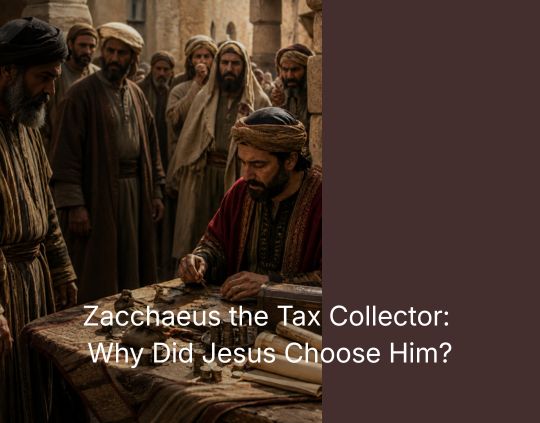
Jesus healed the woman with the issue of blood—ceremonially unclean, desperate, hopeless. He gave sight to Blind Bartimaeus when the crowd tried to silence him. He cleansed lepers when no one else would touch them. He engaged Zacchaeus, the despised tax collector, when the crowd wanted nothing to do with him.

In every encounter, Jesus didn’t ask, “Why should I help you?” He moved toward pain with compassion. This is God’s mercy made visible—what God’s compassion looks like in human form.
The Parable of the Prodigal Son
Jesus told a story that captures the heart of God’s mercy perfectly. A father had two sons. The younger demanded his inheritance early—essentially saying, “I wish you were dead.” He took the money, squandered it, and ended up feeding pigs in a foreign land, starving and alone. He decided to go home, not as a son but as a servant—to throw himself on his father’s mercy.

But when the father saw him coming from far away, he ran. He didn’t wait for an apology. He didn’t lecture or demand punishment. He embraced his son, kissed him, and threw a celebration.
This is God’s merciful heart toward repentant sinners. Not scorn. Not distance. Welcome. Embrace. Joy.
The Cross: Where Mercy and Justice Meet
The greatest display of God’s mercy comes at the cross. Here’s the paradox that makes the Gospel beautiful: God’s justice is real and uncompromising. Sin must be judged. The wages of sin truly is death. God cannot simply overlook sin—to do so would make Him morally indifferent.
Yet God’s mercy is equally real. So what did God do? He became human. In Jesus Christ, He took on our humanity and bore our judgment on the cross. The innocent died for the guilty. The sinless took on the punishment sinners deserve.
“God showed his great love for us by sending Christ to die for us while we were still sinners.” – Romans 5:8
At the cross, mercy and justice don’t conflict—they meet. God’s righteous judgment fell on Christ so that His mercy could fall on us. Before time began, He determined to extend forgiveness through Christ’s sacrifice. That was always the plan.
God’s Mercy and God’s Justice Work Together
One common misunderstanding is that mercy and justice are opposites. In reality, the Bible presents them as complementary aspects of God’s character.
Throughout Scripture, God displays both justice and mercy. The flood demonstrates that God takes sin seriously, yet the ark reveals His desire to save. Adam and Eve were expelled from Eden, yet God clothed them and promised a Redeemer. David experienced consequences for his sin, yet God forgave and restored him.
The clearest example is found at the cross.
God’s justice required that sin be judged, yet His love and mercy provided a way for sinners to be saved. In Jesus Christ, both were fully satisfied. Christ bore the penalty that sinners deserved so that forgiveness could be freely offered to all who trust in Him.
God’s mercy does not overlook sin or pretend it does not exist. Instead, it provides a way for sinners to be forgiven without compromising God’s holiness, righteousness, or justice. At the cross, mercy and justice meet perfectly.
What Does God’s Mercy Mean for Christians Today?
God’s Mercy Gives Us Hope
If God’s mercy is woven through Scripture, then no failure is beyond His forgiveness. Not for you. Not for the person you think has gone too far.
Peter denied Jesus three times—a spectacular, public failure. Yet after the resurrection, Jesus appeared to Peter and restored him completely. He became the rock upon which the Church was built. God’s mercy meant Peter’s greatest failure didn’t define his future.
The same is true for you. Whatever you’ve done, wherever you’ve fallen, God’s mercy is open to repentant sinners. He forgives not once or twice but as many times as we truly turn to Him. That’s the hope mercy brings.
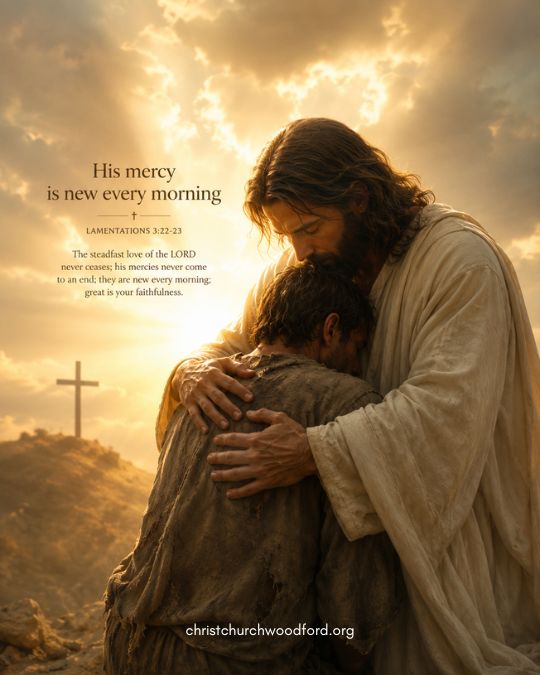
God’s Mercy Is New Every Morning
Sometimes we wake up crushed by the weight of yesterday—what we did, what we said, how we failed. But listen to this promise:
“The steadfast love of the Lord never ceases; his mercies never come to an end; they are new every morning; great is your faithfulness.” – Lamentations 3:22–23
God’s mercy is not exhausted by our weakness. Every sunrise brings fresh mercies. You failed yesterday?
Today, you stand before a God whose compassion has not lessened. His forgiveness is ready. His love is new.
God’s Mercy Gives Confidence in Prayer
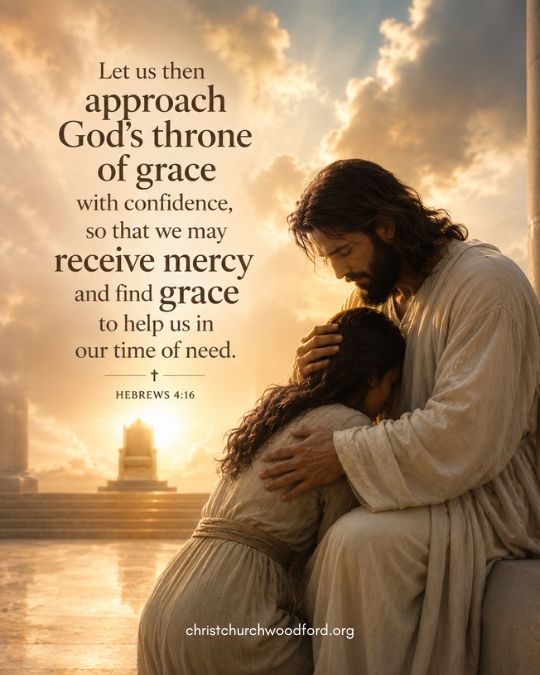
Because God is merciful, we can approach Him boldly in prayer. We don’t have to come timidly, hoping He’ll listen.
“Let us then approach God’s throne of grace with confidence, so that we may receive mercy and find grace to help us in our time of need.” – Hebrews 4:16
Because Christ represents us at God’s throne, we can come with confidence. God won’t turn us away. His mercy through Jesus ensures that we are welcome, heard, and cared for.
How Should Christians Respond to God’s Mercy?
Receive God’s Mercy Through Faith
First, receive it. Salvation comes through Christ alone. If you have never placed your faith in Jesus—never handed your life over to Him and asked for forgiveness—today is the day.
You don’t need to clean up your act first. You don’t need to be good enough. You come as you are, broken and failing, and ask for mercy. Christ offers it freely.
Worship God for His Mercy
Second, worship Him for it. Understanding God’s mercy should produce gratitude—deep, genuine gratitude. The kind that moves you to worship. It should produce humility, an awareness of how much you’ve been forgiven.
When you truly grasp that you deserved judgment but received mercy instead, worship follows naturally. It’s the only reasonable response.
Show Mercy to Others
Finally, show mercy to others. Jesus taught:
“Blessed are the merciful, for they will be shown mercy.” – Matthew 5:7
And He said:
“Be merciful, just as your Father is merciful.” – Luke 6:36
If we have received God’s mercy, we must give it. This means forgiving those who hurt us. It means being patient with people in their weakness. It means showing compassion to the broken and generosity toward those in need. God’s mercy through us becomes the healing touch others desperately need.

10 Powerful Bible Verses About God’s Mercy
These Bible verses about God’s mercy have anchored God’s people for generations. Let them anchor you too.
1.“The Lord, the Lord, a God merciful and gracious, slow to anger, and abounding in steadfast love and faithfulness.” – Exodus 34:6
God’s self-declaration of character. Mercy is not an afterthought—it’s central to who He is.
2. “Surely goodness and mercy shall follow me all the days of my life.” – Psalm 23:6
God’s mercy doesn’t abandon you. It follows you throughout your life as a shepherd’s care.
3. “The Lord is merciful and gracious, slow to anger and abounding in steadfast love.” – Psalm 103:8
God’s patience is vast. His steadfast love covers all our failings.
4. “The steadfast love of the Lord never ceases; his mercies never come to an end; they are new every morning.” – Lamentations 3:22–23
Fresh mercies greet you every day. Yesterday’s failures don’t reduce today’s forgiveness.
5. “Who is a God like you, pardoning iniquity and passing over transgression?” – Micah 7:18
God’s forgiveness is unique. No other judge pardons as freely as our God.
6. “Blessed are the merciful, for they will be shown mercy.” – Matthew 5:7
When we show God’s mercy to others, we position ourselves to receive it in return.
7. “God showed his great love for us by sending Christ to die for us while we were still sinners.” – Romans 5:8
God doesn’t wait for us to clean up. He loves and forgives us at our worst.
8. “Because of his great love for us, God, who is rich in mercy, made us alive with Christ.” – Ephesians 2:4–5
God’s mercy doesn’t just forgive. It brings us to life.
9. “He saved us, not on the basis of deeds which we have done in righteousness, but according to His mercy.” – Titus 3:5
Salvation is purely the work of God’s mercy. Our works cannot save us.
10. “Let us then approach God’s throne of grace with confidence, so that we may receive mercy.” – Hebrews 4:16
We can come boldly to God because His mercy through Christ guarantees our welcome.
God’s Mercy Changes Everything
God’s mercy is woven through every page of Scripture. From the garden after humanity’s first sin to Calvary where Christ bore our judgment, we see a God who continually reaches toward broken people.
Mercy doesn’t ignore sin. It sees it clearly, judges it fairly, but then—through Christ—provides a way of forgiveness and restoration.
This matters for you. Not as abstract theology, but as lived reality. You’ve failed. You will fail again. You bear guilt for things you’ve done and shame for things you’ve become. That weight is real.
But here’s the Gospel: because of God’s mercy and grace, there is always, always hope for those who turn to Jesus Christ. Your worst moment doesn’t disqualify you from His forgiveness. Your repeated failures don’t exhaust His patience. Your deepest sin doesn’t exceed His mercy.
Receive that mercy today. Not by earning it or deserving it, but by turning to Christ and asking. Believe that He died for your sins and rose again. Ask Him to forgive you and make you new. That simple act—turning to Jesus in faith—connects you to God’s mercy that stretches from eternity past to eternity future.
Your life changes not when you finally get good enough, but when you finally get honest about your need and receive the mercy God freely offers. That’s the Gospel. That’s the mercy of God.