How to Live at Peace With Difficult People (Romans 12:18 Explained)

Conflict is exhausting.
Not just the loud kind where voices are raised and doors are slammed. Sometimes the most draining conflict is the quiet kind. The silence at the dinner table. The passive comment disguised as concern. The text message that says nothing but means everything. The way certain people can make you feel guilty simply by walking into the room.
And here is the painful truth most articles will not say clearly enough:
The hardest people to live at peace with are often the ones closest to us.
Not strangers. Not coworkers. Family.
The parent who still has the power to make you feel small. The sibling who never lets old offences go. The spouse you love deeply but cannot seem to stop arguing with. The relative who manages to turn every family gathering into a source of anxiety rather than joy.
If you are reading this after a painful conversation, a family argument, or another restless night replaying what was said, this article is for you.
Romans 12:18 does not offer a quick fix. But it does offer something more valuable: a framework for how to handle conflict biblically, protect your peace, and become the kind of person God is calling you to be, even when the people around you refuse to change.
“If it is possible, as far as it depends on you, live at peace with everyone.” — Romans 12:18 (ESV)
What Does Romans 12:18 Actually Mean?
Most people read Romans 12:18 as a command to simply get along with everyone. But Paul is far more realistic than that. Every phrase in this verse is carefully chosen.

“If it is possible”
This is Paul’s first word of grace in the verse.
He is acknowledging something every exhausted person in a difficult relationship needs to hear: sometimes peace is not possible.
Some people will refuse reconciliation no matter what you do. Some relationships are so damaged that no amount of effort on your part can repair them.
You are not required to achieve the impossible. God does not hold you responsible for what another person refuses to give.
“As far as it depends on you”
This is where personal responsibility enters.
You cannot control what another person does. But you can control yourself. Your tone. Your reaction. Whether you escalate or de-escalate. Whether you let bitterness take root or release it to God. Your choices belong to you, and this verse calls you to examine them honestly.
“Live at peace”
The Greek word here is eireueo, meaning to maintain harmony and actively avoid unnecessary conflict. This is not passive tolerance. It is a deliberate, ongoing choice. And notice Paul says live at peace, not feel at peace.
You may not feel warm toward a difficult person. But you can still choose to act peacefully toward them. That is the goal.
Signs Conflict Is Stealing Your Peace
Before we talk about what to do, it is worth pausing to recognise what prolonged conflict with difficult people actually does to you. Many people do not realise how much relational tension is costing them spiritually and emotionally.
You may be losing your peace if you recognise any of these:
You replay arguments constantly. Hours or days after a difficult conversation you are still rehearsing what you should have said.
You feel anxious before family gatherings. What should be a time of warmth has become something you dread.
You are always preparing defensive responses. Even when nothing has happened yet, you are already braced for an attack.
Bitterness is quietly growing. What began as hurt has slowly hardened into resentment. You catch yourself thinking things about this person that grieve you.
You are emotionally exhausted. Managing one relationship is draining energy that was meant for everything and everyone else in your life.
You have started avoiding prayer because of anger. You know you are supposed to forgive. But every time you try, the wound feels too fresh.
These are signs that difficult relationships are no longer just painful, they are becoming spiritually costly. This is exactly why Romans 12:18 matters.
Why Peace Is Hardest Inside Families
Strangers wound you once. Family wounds you repeatedly.
And unlike a difficult coworker you can avoid, or a neighbour you can limit contact with, family is bound to you by history, shared space, obligation, and often deep love that makes the pain even more confusing.
Some families do not scream. They wound each other quietly, through criticism, silence, guilt, and emotional distance. The damage is just as real, just harder to name.
Here is what makes family conflict uniquely draining:
Old wounds that never fully healed. You are forty years old, but your father’s criticism still lands exactly the same way it did when you were twelve. The years have passed. The wound has not. These old injuries mean that present conflicts never stay in the present. They drag the entire weight of your shared history into every argument.
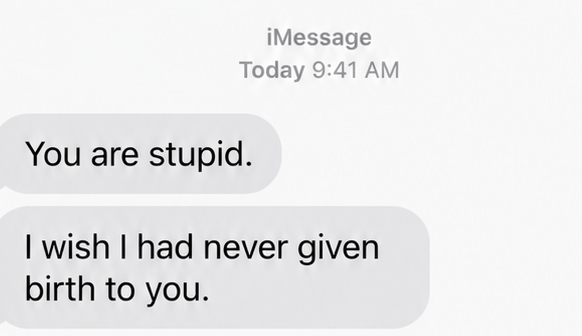
Emotionally immature parents. Some parents were never emotionally equipped to parent well. They used guilt as a tool, withheld affection as punishment, or made their children responsible for their own emotional needs. Growing up in that environment leaves wounds that are difficult to name but impossible to ignore. And the hardest part is that you still love them.
Sibling resentment that has calcified over years. Perceived favouritism. Old rivalries. A wrong done years ago that was never properly acknowledged. Siblings can carry offences across decades, and what began as a childhood slight can quietly poison an adult relationship.
Repeated arguments that never resolve. You and your spouse have had the same argument about money, about parenting, about priorities, more times than you can count. The script is entirely predictable. Nothing changes. The frustration compounds. And underneath the argument about money or chores or in-laws is usually a deeper unspoken need that neither person knows how to voice.
Passive aggression disguised as love. The comment framed as concern. The backhanded encouragement. The favour offered with a visible price tag attached. Passive aggression is particularly exhausting because it is hard to confront directly without sounding unreasonable. You cannot quite name what is wrong, but you walk away from every interaction feeling somehow diminished.
Pride that refuses to yield. Both people are waiting for the other to apologise first. Both are convinced they are right. Neither will bend. And so the relationship stagnates in a cold war of unspoken hurt and stubborn silence.
God knows these patterns. He is not surprised by your family situation. Scripture addresses difficult family relationships throughout, in stories of betrayal between brothers, tension between parents and children, marriages under strain. The Bible gives you honest language for the complexity of family conflict because God knows how deeply it cuts.
Peace Does Not Mean Accepting Abuse
This section matters enormously, and I want to be very direct with you.
Romans 12:18 has been tragically misused to trap people in harmful relationships. Women told to endure abusive marriages for the sake of peace. Adult children told to honour parents who are still causing damage. Victims told to keep the peace at the cost of their own safety and dignity.
This is not what Paul is teaching.
Biblical peace includes wisdom.
Living at peace does not mean staying silent when someone is harming you. It does not mean tolerating repeated disrespect. It does not mean enabling dysfunction because confronting it feels unspiritual. It does not mean pretending you are fine when you are not.
Boundaries are not unbiblical. Jesus set them. He withdrew from crowds when they tried to use Him for their own agenda (John 6:15). He confronted religious leaders who were harming vulnerable people (Matthew 23). He told His disciples that when a place refused to receive them, they should leave and shake the dust from their feet (Matthew 10:14).

You can love a parent without allowing them to control your life. You can honour a difficult relative without giving them unlimited access to wound you. You can forgive a spouse without pretending that harmful behaviour is acceptable. You can pursue peace in a relationship while also protecting yourself and your children from ongoing damage.
Sometimes living at peace with difficult people means setting a clear limit on what you will and will not engage with. ‘I am not going to continue this conversation while it is being conducted this way.’ That is not unpeaceful. That is wisdom.
Peace is not the same as passivity. You can refuse to retaliate while still refusing to be a victim.
Jesus and the Example of Peace
If you want to see what it looks like to live at peace with difficult people without compromising truth or enabling harm, look at Jesus.
He was surrounded by difficult people His entire ministry. Religious leaders who tried to trap Him. Disciples who constantly misunderstood Him. Crowds who wanted what He could give them but not who He was. His own family, at one point, thought He had lost His mind (Mark 3:21). And Judas, one of His closest companions, was quietly planning his betrayal through the last supper.
And yet He remained a man of peace.
When provoked, He did not retaliate. ‘When he was reviled, he did not revile in return; when he suffered, he did not threaten, but continued entrusting himself to him who judges justly’ (1 Peter 2:23). He did not need to win every argument. He did not need the last word. He did not carry bitterness.
And on the cross, surrounded by people who had betrayed, abandoned, and mocked Him, He prayed:
‘Father, forgive them, for they know not what they do’ – Luke 23:34.
He did not wait for an apology. He forgave while the nails were still in His hands.
This is the model for Christian conflict resolution. Not passive tolerance of harm. Not aggressive domination. But a steady, deeply-rooted peace that is not dependent on how others behave, because it is grounded in something they cannot take from you.
Practical Ways to Live at Peace With Difficult People
How do you actually live this out when dealing with difficult family members, a toxic relative, or a marriage under pressure? Here are biblical, practical steps.
Pause before reacting
Most conflict escalates because we react instantly. Someone says something cutting and we fire back immediately.
“Let every person be quick to hear, slow to speak, slow to anger.” – James 1:19
Train yourself to pause. Take a breath. Even a five-second delay before responding can change the entire direction of a conversation.
Pray before speaking
Before you respond to a difficult person, pray. It does not need to be a lengthy prayer. Even a silent, desperate, ‘God, help me respond with grace’ shifts your posture.
It moves your focus from winning the argument to honouring God. It invites the Holy Spirit into a moment that would otherwise be governed only by your hurt and instinct.
When silence is wiser than defending yourself
Not every accusation needs to be corrected. Not every provocation deserves a response.
“A soft answer turns away wrath, but a harsh word stirs up anger.” – Proverbs 15:1 says
Sometimes the most powerful thing you can do in a heated moment is say very little. Silence is not weakness. It is often the most strategic and peaceful choice available to you.
What to do after a heated argument
After a difficult exchange, give yourself time to settle before you attempt to repair.
Do not chase resolution while both parties are still emotionally flooded. Pray first. Write down what you actually felt, not just what you want to say. Then, when you return to the conversation, come with the goal of understanding rather than just being understood. Ask: ‘Can I share how that landed with me?’ That single question changes the entire tone.
Set healthy boundaries
Some conversations are not productive. Some topics in certain relationships will never lead anywhere good. It is okay to stop engaging with patterns that only escalate. ‘I am not going to discuss this with you when it goes this way’ is a biblically defensible position.
Protecting your peace is not the same as abandoning relationship. It is choosing what can be sustained.

How to respond when someone refuses peace
Some people will not receive your attempts at peace. They will reject your apology, dismiss your olive branch, or use your vulnerability against you. When that happens, remember the first phrase in Romans 12:18: ‘If it is possible.’
You have done what depends on you. Release the outcome to God. He is the one who judges justly, and He sees what you have offered.
Forgive even if they never apologise
Forgiveness is not the same as reconciliation. Reconciliation requires two people. Forgiveness only requires you. Ephesians 4:32 says:
‘Be kind to one another, tenderhearted, forgiving one another, as God in Christ forgave you.’
Forgiving someone who hurt you does not mean pretending they did not. It means choosing to release the debt they owe you. You may never receive the apology you deserve. Forgive anyway. Not for their sake. For yours. Bitterness does not punish them. It imprisons you.
How to pray for difficult people
Jesus gave a command that cuts against every instinct:
‘Pray for those who persecute you’ – Matthew 5:44
You do not have to feel warm toward someone to pray for them. You do not have to pretend they did not hurt you. Simply bring them before God and ask Him to work in their life. Something shifts in you when you begin to pray for the people who have wounded you. It does not excuse what they did. But it loosens the grip they have on your peace.
A Final Word
Some relationships may never become what you hoped they would be.
Some family members will not change. Some apologies will never come. Some doors you hoped would open will stay closed no matter how many times you knock gently on them.
But conflict does not have to turn your heart hard. Through Christ, you can still become a person marked by peace, not because every relationship is healed, but because your heart is.
And I want you to know this: even when peace with another person is not possible, peace with God always is.
“Therefore, since we have been justified by faith, we have peace with God through our Lord Jesus Christ.” — Romans 5:1 (ESV)
That peace is not taken from you by a difficult parent. It is not threatened by an argument with your spouse. It is not conditional on whether your sibling ever admits they were wrong.
So keep pursuing peace where it is possible. Forgive the debts others have not acknowledged. Set boundaries where wisdom requires it. Pray for the people who have cost you the most.
And when you have done everything that depends on you, rest. God sees it. And He is already at work in what you cannot control.